
We’ve had an abundance of rain in my beautiful desert recently—a rarity in this part of the world—and it’s now wildflower season, something the local chamber of commerce pumps up every year to out-of-state visitors. Don’t get me wrong. Our wild flowers are lovely, especially following a wet winter, but let’s call those plants what they really are. Weeds!
There are various definitions of weeds: plants that were not sewn in a particular location or plants that produce abundant seeds or simply plants that grow where you don’t want them to. But does that mean said plants are not worthwhile?
I remember as a child growing up in New Jersey the annual ritual that had me on my knees in the yard every spring pulling dandelions under my dad’s watchful eye. Apparently those small yellow flowers that turned into delightful, fluffy-white seed balls one could blow into the wind were the worst weed that could invade that lush greenness, a plant that I later learned can be eaten and used as a medicinal for arthritis and intestinal issues, heart and liver diseases, jaundice and gallstones, but that still became the bane of suburban yard owners everywhere.
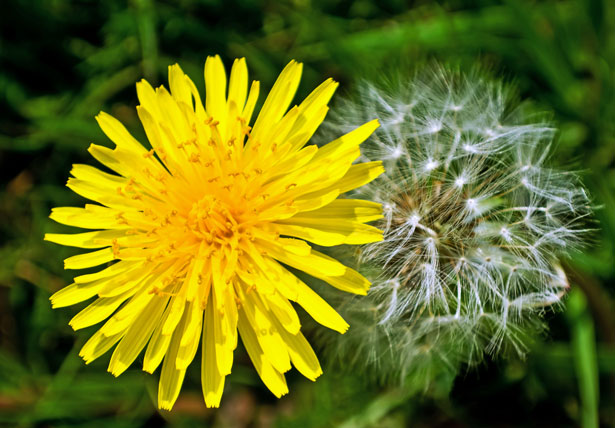
But here’s the thing. A weed is actually no different from any other green, growing thing. It’s just how they’re perceived. Humans, for reasons I can’t quite ascertain, seem to feel the need to organize things into respectable little areas, designed to present order and uniformity. Having gone out and conquered the planet, we apparently feel compelled to eliminate anything considered remotely wild.
But I’m rebelling against that idea, and not just because my yard is currently a mass of weeds. You see, I have science on my side. I read that weeds help prevent soil erosion, act as fertilizer, and attract pollinators—bees, butterflies and hummingbirds—creatures without which our diverse diet of nuts, fruits, and vegetables would be severely diminished.
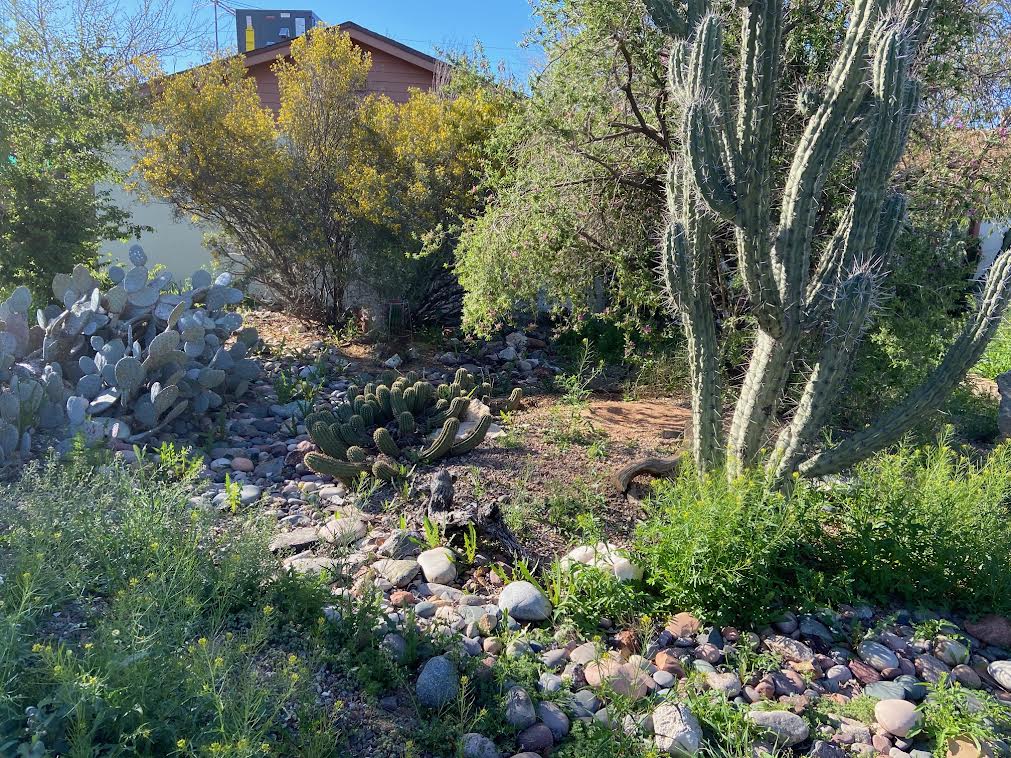
In the interest of unbiased journalism, I searched for the other side of the story, the real reason there are so many weed haters out there. I found data claiming weeds can carry diseases, alter the pH of the soil, and use more water than native plant species. But on closer inspection that information was often forwarded by those in the lawn-care industry, which made my old reporter’s brain twitch a bit.
Are my weeds unsightly? I don’t think so, but lawn purists might disagree. Still, I’ve decided to let my “flowers” grow and attract those all-important birds, bugs, and butterflies. Then, when they’ve served their pollinating purpose and our desert sun has scorched them to dust, I’ll thank them for their environmental service and pay someone to harvest what’s left. (Sorry, Dad. My weed-pulling days are long behind me.)
P.S.
Got a letter from the city. “It has been observed there is grass/weeds above six inches scattered in the front yard.” I was given ten days to rectify the situation. I expected a fight, so I put on my Eco Annie Superhero suit and explained that I let the weeds grow intentionally to help our environment thrive. And you know what? The kind man on the phone understood and gave me a few more weeks when I promised to cut everything down after the blooms were spent. Isn’t that nice? I feel better about the planet already!
Find Anne Montgomery’s novels wherever you buy books.


 Author Anne Montgomery