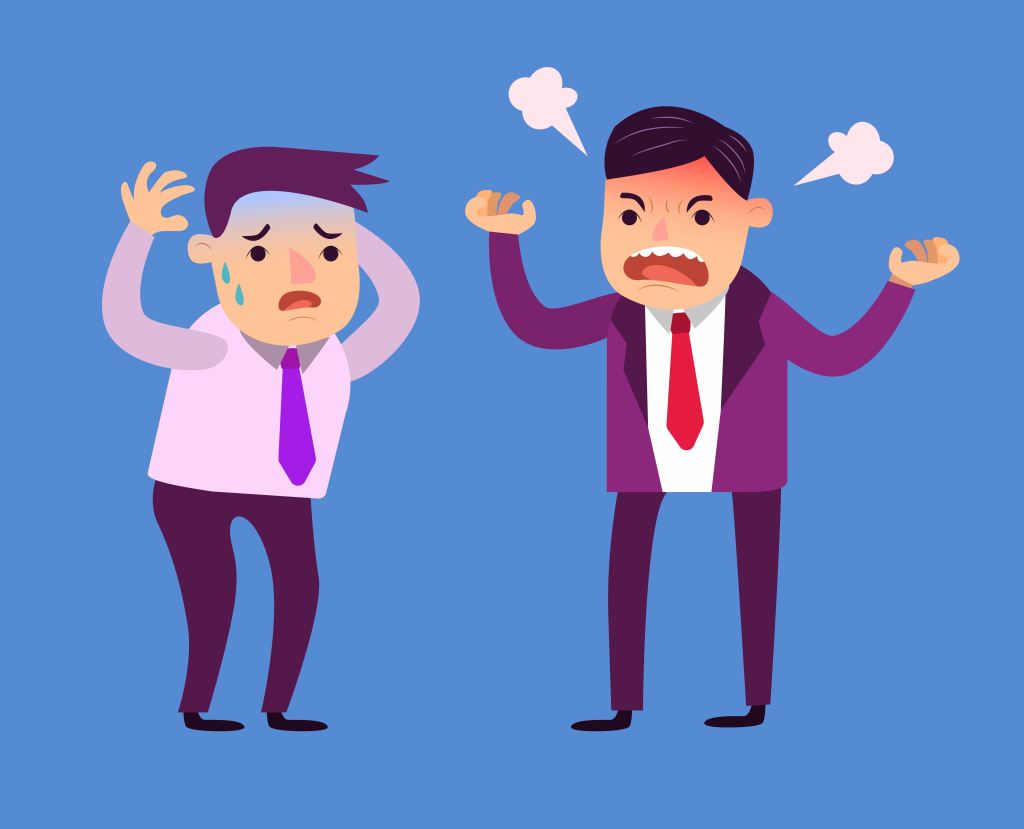
“Don’t judge me!” students would often say when I was a teacher. And that always made me laugh, though not outwardly. I usually wanted to respond, “Well, of course I’m judging you. That’s what they pay me for.”
I don’t know when everyone decided that judgement was a negative thing. And before I go on, please note that I’m not talking about destructive critiques like I hate your new hair style or that dress you bought is really ugly. I’m talking about being evaluated for the work we do and our personal behaviors that might interact negatively with others.
Because of the career paths I chose, I was often criticized loudly and in public. I spent 40 years as an amateur sports official calling football, baseball, ice hockey, soccer, and basketball games where I regularly fended off angry coaches and fans who didn’t like my calls, which sometimes resulted in me needing a police escort to my car. I was also a sportscaster, and whenever I erred on TV, local writers and viewers would have a field day pointing out my stupidity.
Did these attacks hurt my feelings? Of course, they did. But I had to learn to accept the fact that I wasn’t always right, and even though the delivery method was sometimes cruel, I often realized later that those critiquing me had a point. I did make a bad call and I needed to do better.

The fact is we need judgement if we are to grow and become better people. However, most of us bristle when someone tells us we should change.
“Very few people can take criticism graciously,” said Dr. Leon F. Seltzer in his Psychology Today article “Why Criticism is so hard to take”. “ For most of us, being criticized is uncomfortable at best — and de-stabilizing (or even devastating) at worst. The ability to take criticism in stride, it seems, is almost universally elusive.”
If you’re wondering why most of us struggle with criticism, feel free to blame the people who raised you.
“Very few parents are enlightened enough, or sufficiently skilled, to carry out the kind of “loving correction” that doesn’t end up making us hypersensitive—and therefore over-reactive—to criticism,” Seltzer said. “As a result, negative judgments we receive as adults can automatically remind us of the inadequacies we so keenly felt when criticized as a child.”
While we can’t change the past, we can consider ways to improve how we handle judgement. First, don’t take criticism personally, especially if it comes from a boss or peer. Consider the interaction an opportunity, and remember that sometimes we don’t have the full story. Pause and try to understand the other person’s point of view. Focus on what they need from you, and see if you can do something to improve the situation.
It’s also important to realize that all criticism is not created equal. Everyone is periodically faced with comments that are destructive and you should feel free to ignore those taunts. However, embracing constructive criticism, learning from it, and making improvements is one of the best ways to get ahead in the world.
Anne Montgomery’s novels can be found wherever books are sold.


 Author Anne Montgomery