No, your kids don’t want your stuff!

You’ll have no problem pawning off things of value to your kids, but if there’s no monetary value, they probably won’t be interested.
Courtesy DonaldIndia/Flickr

When my mother was preparing to move from Arizona to Colorado so she could be closer to the grandchildren and great grandchildren, she was obsessed with giving me her stuff. I’d already taken several pieces of furniture over the years, a couple of paintings, and two sets of china, and still she wanted me to take more.

“Here’s my Penn State yearbook,” she said handing me a weathered, green volume with 1948 stamped on the front.

“No, Mom. I barely have room for my own yearbooks.”

Then she dragged a large, two-handled bag across the floor. “These are the notes I took when I was writing my books. You should have them.”

While it’s true that my mother wrote a handful of historical fiction novels over the years, the idea that I might want her old research had me stumped. “Mom! What would I do with it?”

But she was already off, pulling more things out of the closets for me to take.

Recently, my sweetie pie found himself facing the same issue. His dad and stepmom were preparing to move into an independent living facility in Vancouver, Washington. “What do you want?” Ryan’s father asked. A number of firearms had been handed down over the years. There was also a grandfather clock that had been lovingly passed from generation to generation. But when Ryan and I discussed those possessions, we realized we had no use or room for any of them.

And we are not alone. Many younger people are simply not interested in family heirlooms. Millennials, especially, are turning away from possessions, instead focusing on making memories. According to The Simplicity Habit article “Sorry Parents, Millennials Don’t Want Your Stuff,” “… many millennials are renting smaller spaces close to urban areas. And instead of filling their homes with stuff, many prefer to fill their lives with experiences and adventures.”

The article goes on to say exactly what Millennials don’t want: wedding dresses, dinnerware, dark heavy antique furniture, figurine collections, antique dolls, and old school technology like sewing machines and film projectors.

There are several problems in regard to our stuff. One, as previously mentioned, is that young people tend to live in smaller homes and have nowhere to put those spoons you collected from all 50 states or that stack of 1970s rock-and-roll albums perched in the back of your closet.  

I know what you’re thinking. These possessions have sentimental value. But you have to remember, those are your memories. To your kids they’re just so much clutter, objects that will hold them down.

“The more stuff you have, the more difficult it can be to embrace that sense of freedom,” the article explained. “You can’t just pick up and go. You can’t just sell your stuff and travel. You’ve got a house full of things you need to make arrangements for instead, which can be a big barrier. Which is why many Millennials don’t want stuff.”

Now, your kids are not dopes. I’m sure they’d be happy to accept things that have monetary value. So if you have a few original Picasso’s hanging around, or perhaps a large collection of jewelry bearing high-quality gemstones, or a bag of 18th century gold daubloons, I’m guessing your very smart children would say, “Sure. Mom! Okay. We’ll take those.” But let’s be honest, most of that stuff you’re handing down has probably depreciated in value over the years and really isn’t worth very much.

So…what do you do? Donate, donate, donate! Find your local Goodwill or thrift shop. Or, if you need the cash, take it to a consignment store or sell it online. The thing is, don’t make family members feel bad for not wanting your stuff.

As a bonus…you might be surprised by how much better you feel once you’ve spent some time decluttering. So get to it!

Anne Montgomery’s novels can be found wherever books are sold.

Goodreads

Amazon

AI in publishing: The future is now!

Artificial Inteligence has arrived in the publishing world.

Perhaps you’ve heard the expression, “The future is now.” I never gave that phrase much thought until I received an email from my publisher. My historical fiction novel, Your Forgotten Sons, will be released by Next Chapter Publishing on June 6th, 2024 in honor of the 80th anniversary of D-Day. I mention the launch because I got an interesting request in regard to the book.

“(O)ur team has been working on improving our publishing workflow by making use of some of the latest advancements in technology, namely the huge leaps Artificial Intelligence and LLM’s (Large Language Models) have made in the past 12 months,” the CEO of the company explained.

I paused, rather dramatically in hindsight, then continued reading.

“At this point, editing & proofreading are the most time-consuming parts of the process. By using LLM-assisted editing, it’s possible to drastically reduce the time it takes to prepare your manuscript for publication, while still maintaining high quality and even improving it compared to human editing & proofreading. In a recent test, an LLM scored 90% in a copyediting assessment, while on average human copyeditors scored 50% – 70%.”

I thought about that for a minute. Like most authors, I’ve dreamed of a perfect manuscript—something as rare as a teenager without a cellphone—but I couldn’t help but consider some of the lovely editors I’ve worked with in the past. That I was even considering a switch to their digital counterpart made me feel like a traitor to the human race.

The email continued. “After the editing & proofreading process is completed, you’ll receive the manuscript back for approval and comments, just like when working with a normal editor, and you can approve/disapprove every change before the manuscript moves forward to layout design.”

I waffled, then wondered what might happen if I was disappointed with the AI editor. Could I be assigned a human editor instead?

“Yes, that’s possible!” my boss explained. “If you’re unhappy with the results, we can do another round with a human editor; however, based on our data so far, the system has been very effective, especially in picking up typos and grammatical errors.”

Though I wanted to stand up and defend human editors, in the end I agreed to be part of the experimental program. Still, I feel a bit guilty signing onto the deal. In the meantime, I’m trying to come up with a name for my AI editor. Hal came to mind, but that didn’t end too well for astrounaut Dave in 2001: A Space Oddssey, so I guess I’ll just wait for my new editor to get in touch.

I’ll let you know how it goes.

In the meantime, here’s a look at my new book.

Your Forgotten Sons

Inspired by a true story

Anne Montgomery

Bud Richardville is inducted into the Army as the United States prepares for the invasion of Europe in 1943. A chance comment has Bud assigned to a Graves Registration Company, where his unit is tasked with locating, identifying, and burying the dead. Bud ships out, leaving behind his new wife, Loryane, a mysterious woman who has stolen his heart but whose secretive nature and shadowy past leave many unanswered questions. When Bud and his men hit the beach at Normandy, they are immediately thrust into the horrors of what working in a graves unit entails. Bud is beaten down by the gruesome demands of his job and losses in his personal life, but then he meets Eva, an optimistic soul who despite the war can see a positive future. Will Eva’s love be enough to save him?

Release Date: June 6, 2024

Next Chapter Publishing

Get your copy wherever you buy books.

Anne Montgomery’s novels can be found wherever books are sold.

Goodreads

Amazon

Feet: Think about making yours happy!


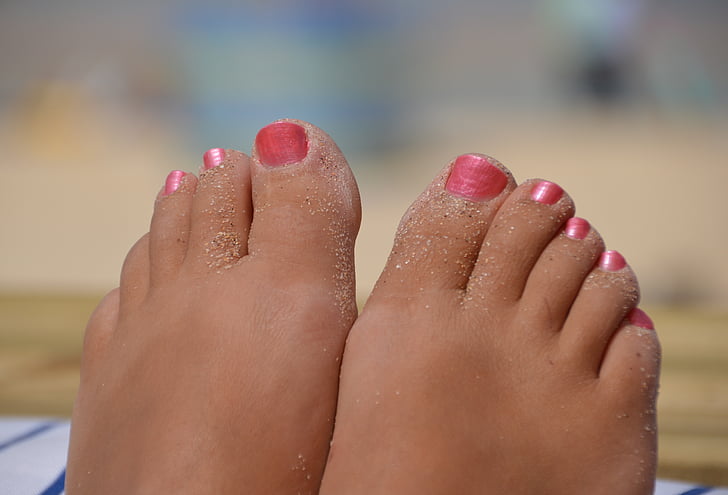
We have a tendancy to ignore our feet unless we’re dressing them up to look pretty or they hurt. Perhaps we should think about them more.

Feet. We don’t give them much thought until something goes awry.

For me, that began at birth, when, after swiping some black ink on my tiny sole and marking my birth certificate, it became obvious that my left foot was crooked.

“Make sure to massage her foot several times a day,” the doctor told my mom. “That might straighten it out.”

But my mother—today approaching 99—admits she quickly got tired of rubbing my foot, as I was an annoying baby, a red-haired screamer who would only eat fruit. So it would not be until my senior year in college, when I could no longer wear a shoe in the cold, Ohio winter that a surgeon finally corrected the problem.

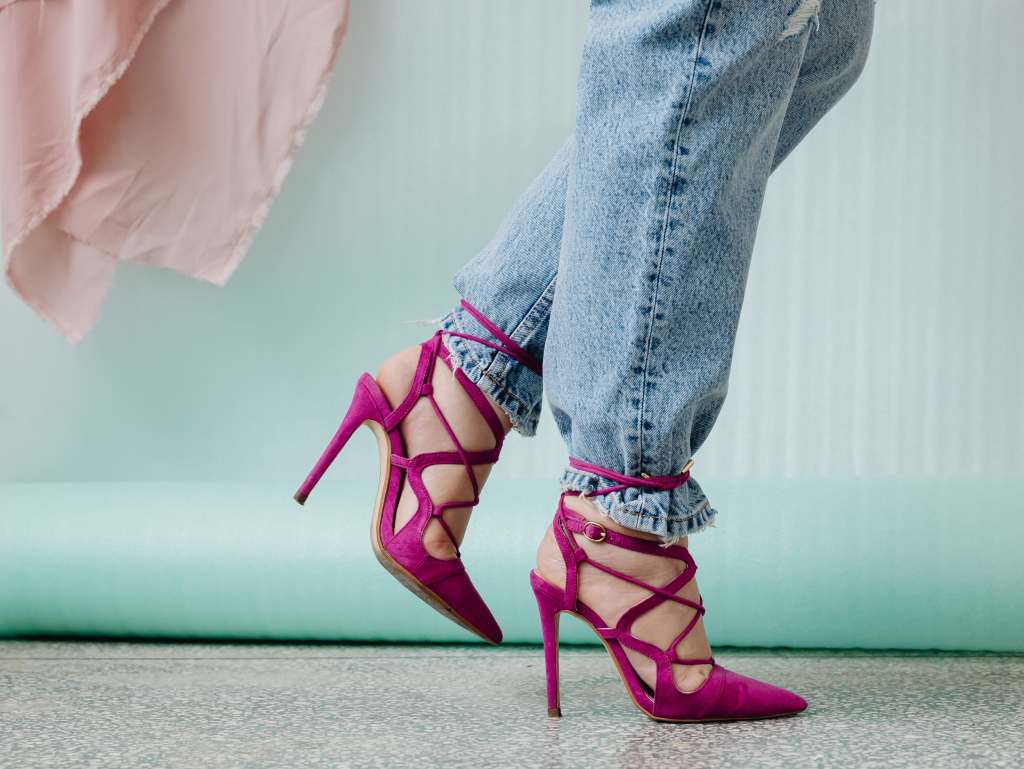
I mention my feet because, as I said previously, many of us ignore those very important bits until they remind us that we need to treat them properly. Note here that we do some pretty awful things to our feet. Need I mention spike heels, or platform shoes, or flip flops, or shoes that narrow down to points so sharp they could be utilized as deadly weapons, should one be so inclined?

Think before doing this to your poor little feet. Credit: Photo by Karolina Grabowska

None of the aforementioned footwear is good for us, still I have always believed that it’s better to wear any shoes than none at all. But it turns out I might be wrong. Scientists now believe that walking barefoot might reduce injuries to our feet and improve posture and balance, because going about sans shoes can help improve flexibility and strength in the foot’s muscles and ligaments.

Now, that doesn’t mean you should toss your shoes and socks and go running about willy-nilly in wild places. Though it seems our ancient ancestors, the Neanderthals, might have done so. But they spent their caveman lives building up a thick layer of callous that protected them from thorns and stones and even snow, something our delicate, modern-day feet probably couldn’t handle. So, if you want to improve your balance and strength, pick a nice clean surface upon which to walk barefoot, a place free of anything that might make you weep, should you step on it.

In the meantime, if you want to keep your tootsies happy, maintain good foot hygiene by washing and drying your feet regularly. Then slather them with some nice lotion to prevent cracks, which can sometimes lead to infections. Wearing the proper size shoes is a must. Remember that different manufactures size shoes differently and our shoe size may change as we age. Also, take proper care of your toenails by cutting them straight across, remember to exercise regularly, and don’t ignore foot pain. Head to the podiatrist at the first sign of a problem.

Scientists believe that people have been wearing shoes for about 40,000 years. And I’m guessing we will continue to do so. In 2023, the footwear market in the U.S. alone is expected to bring in a whopping $88 billion. That said, think about your feet when you’re out fondling shoes. Look down before swiping your credit card for that strappy pair of Manolo Blahnik’s spike heels. Then… ask what would make your feet happy.

The answer, perhaps, might be no shoes at all.

Anne Montgomery’s novels can be found wherever books are sold.

Goodreads

Amazon

Sometimes it’s better to leave a shell on the beach

It’s hard not to pick up a shell on the beach, but maybe it’s best to leave it behind.

On occassion, there are rules that, at first glance, don’t seem to make sense. For example, some friends recently visited me on the lovely island of St. Croix in the US Virgin Islands where I have a home. My pretty island sports numerous white sand beaches, and, like me, my friend Abby couldn’t wait to do some beachcombing.

Like many Caribbean islands, there’s an abundance of interesting objects that wash up during high tide. There’s multi-colored sea glass, the rough edges ground down by years of rolling about in the waves: green, blue, brown, aqua, white, and on very rare occasions red. There are sea fans that appear to be made of lace and smoothed chunks of blonde driftwood. Here in St. Croix we also have something special called “chaney”, pieces of pottery and china that are said to have been tossed off ships because they were broken and importers didn’t want to pay taxes on damaged goods. Many of these pieces remain vibrant and beautiful despite centuries in the sea.

Then, of course, there are shells. It’s hard not to be amazed by nature when staring at a beautifully coiled shell. I will admit here that I have spent much of my life picking up shells and taking them home to display. However, I’ve now learned the practice is not sustainable.

“I saw that we aren’t supposed to pick up shells,” Abby said, looking a bit deflated as we roamed a rocky stretch of beach just outside of Christiansted Harbor.

I nodded. “I know.”

“But why?” Abby asked.

I considered her question. The oceans are so vast, the idea of taking home a single shell seems insignificant in the extreme. Still, the reasoning is sound. It’s all about real estate. Crab housing, as it were, and I managed to prove the rule makers were not crazy.

Some of you may have had hermit crabs as pets. We step gingerly in my home because the little guys often come through the doors and wander about. Some of them are quite big. Recently I found one as big as my hand trudging through the backyard. The problem is that as they grow they need bigger shells to move into.

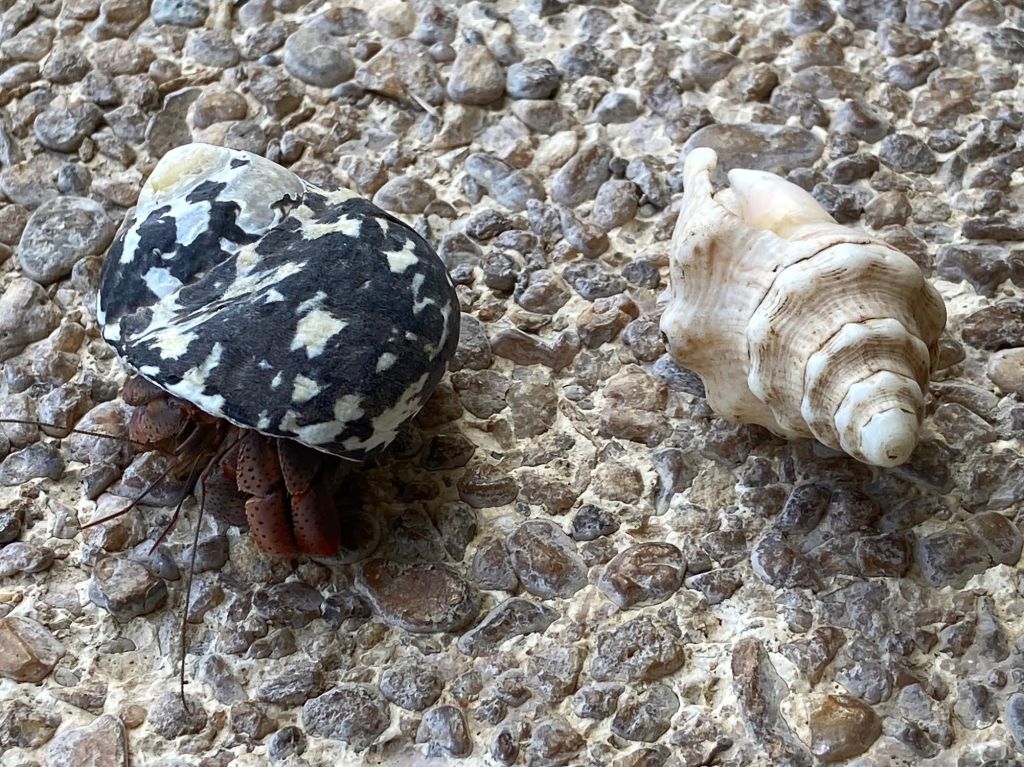
Mr. Crabby moved into a shell I put out for him and left his old home behind.

The other day I noticed a crab toting a shell that appeared too small. I thought about his predicament that afternoon when we spotted two beautiful black-and-white magpie shells. The snails that had once resided in them were long gone, so, yes, I brought them home. But I didn’t put them on a shelf. Instead, I placed them on the floor in a corner of the porch. I flipped both shells open side up and left them there.

I could not have been more thrilled the next day when my crab friend was walking around wearing the smaller of the two shells. He’d flipped both of them over and decided the little shell was perfect. Then he left his old shell right in the same spot.

In the interest of crab happiness, I will now leave most shells on the beach. But since my land crabs don’t mix well with water, I’ll continue to place a few on the porch, because even nature needs a little help now and then.

Anne Montgomery’s novels can be found wherever books are sold.

Goodreads

Amazon