The Castle: A thriller based on the most heinous of crimes

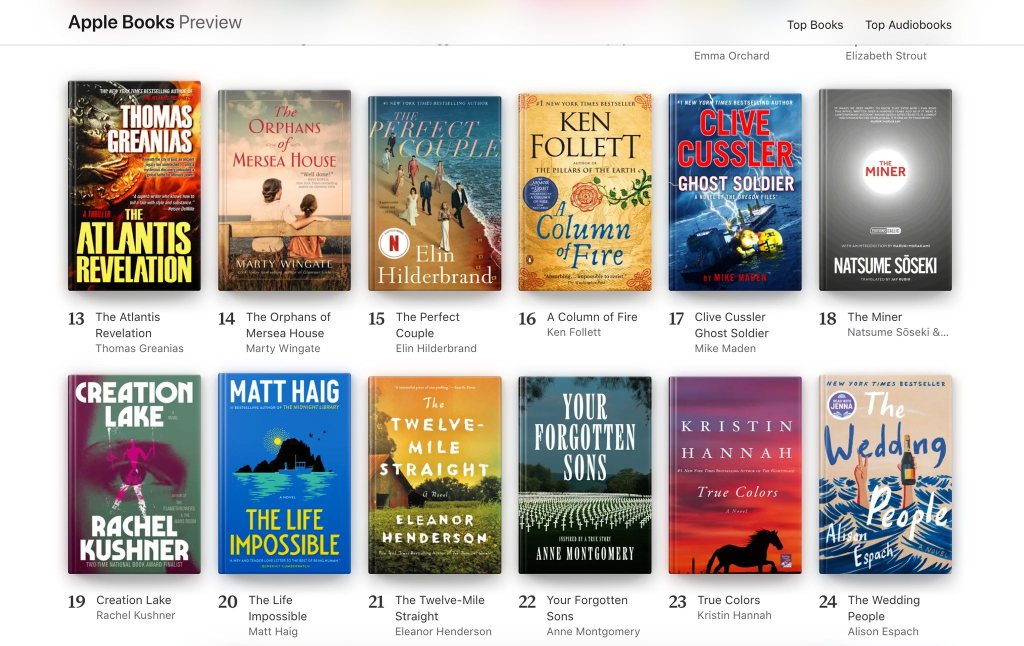
𝙎𝙚𝙫𝙚𝙧𝙖𝙡 𝙮𝙚𝙖𝙧𝙨 𝙖𝙜𝙤, 𝙄 𝙝𝙖𝙙 𝙩𝙬𝙤 𝙗𝙤𝙤𝙠𝙨 𝙘𝙤𝙢𝙚 𝙤𝙪𝙩 𝙬𝙞𝙩𝙝𝙞𝙣 𝙨𝙞𝙭 𝙢𝙤𝙣𝙩𝙝𝙨 𝙤𝙛 𝙚𝙖𝙘𝙝 𝙤𝙩𝙝𝙚𝙧. 𝙅𝙪𝙨𝙩 𝙖𝙨 𝙢𝙮 𝙝𝙞𝙨𝙩𝙤𝙧𝙞𝙘𝙖𝙡 𝙛𝙞𝙘𝙩𝙞𝙤𝙣 𝙣𝙤𝙫𝙚𝙡 𝙒𝙤𝙡𝙛 𝘾𝙖𝙩𝙘𝙝𝙚𝙧 𝙬𝙖𝙨 𝙖𝙗𝙤𝙪𝙩 𝙩𝙤 𝙗𝙚 𝙥𝙪𝙗𝙡𝙞𝙨𝙝𝙚𝙙, 𝙄 𝙘𝙖𝙢𝙚 𝙙𝙤𝙬𝙣 𝙬𝙞𝙩𝙝 𝘾𝙤𝙫𝙞𝙙, 𝙥𝙖𝙨𝙨𝙚𝙙 𝙤𝙪𝙩, 𝙖𝙣𝙙 𝙗𝙧𝙤𝙠𝙚 𝙢𝙮 𝙖𝙣𝙠𝙡𝙚. 𝙎𝙪𝙧𝙜𝙚𝙧𝙮 𝙬𝙖𝙨 𝙧𝙚𝙦𝙪𝙞𝙧𝙚𝙙 𝙖𝙣𝙙 𝙄 𝙨𝙥𝙚𝙣𝙩 𝙩𝙝𝙚 𝙣𝙚𝙭𝙩 𝙚𝙞𝙜𝙝𝙩 𝙢𝙤𝙣𝙩𝙝𝙨 𝙡𝙚𝙖𝙧𝙣𝙞𝙣𝙜 𝙩𝙤 𝙬𝙖𝙡𝙠 𝙖𝙜𝙖𝙞𝙣, 𝙨𝙤 𝙢𝙮 𝙣𝙤𝙫𝙚𝙡𝙨 𝙩𝙤𝙤𝙠 𝙖 𝙗𝙖𝙘𝙠𝙨𝙚𝙖𝙩 𝙩𝙤 𝙢𝙮 𝙝𝙚𝙖𝙡𝙩𝙝. 𝙎𝙪𝙗𝙨𝙚𝙦𝙪𝙚𝙣𝙩𝙡𝙮, 𝙩𝙝𝙚𝙧𝙚 𝙬𝙖𝙨 𝙡𝙞𝙩𝙩𝙡𝙚 𝙢𝙖𝙧𝙠𝙚𝙩𝙞𝙣𝙜 𝙙𝙤𝙣𝙚 𝙛𝙤𝙧 𝙚𝙞𝙩𝙝𝙚𝙧 𝙗𝙤𝙤𝙠. 𝙏𝙝𝙚𝙣, 𝙩𝙝𝙖𝙣𝙠𝙨 𝙩𝙤 𝙉𝙚𝙭𝙩 𝘾𝙝𝙖𝙥𝙩𝙚𝙧 𝙋𝙪𝙗𝙡𝙞𝙨𝙝𝙞𝙣𝙜, 𝙒𝙤𝙡𝙛 𝘾𝙖𝙩𝙘𝙝𝙚𝙧 𝙬𝙖𝙨 𝙧𝙚𝙞𝙨𝙨𝙪𝙚𝙙 𝙗𝙖𝙘𝙠 𝙞𝙣 𝘼𝙪𝙜𝙪𝙨𝙩 𝙖𝙣𝙙 𝙏𝙝𝙚 𝘾𝙖𝙨𝙩𝙡𝙚 𝙬𝙖𝙨 𝙧𝙚𝙧𝙚𝙡𝙚𝙖𝙨𝙚𝙙 𝙤𝙣 𝘿𝙚𝙘𝙚𝙢𝙗𝙚𝙧 18, 2025. 𝙄 𝙘𝙤𝙪𝙡𝙙𝙣’𝙩 𝙗𝙚 𝙢𝙤𝙧𝙚 𝙜𝙧𝙖𝙩𝙚𝙛𝙪𝙡 𝙛𝙤𝙧 𝙩𝙝𝙚𝙨𝙚 𝙨𝙚𝙘𝙤𝙣𝙙 𝙘𝙝𝙖𝙣𝙘𝙚𝙨.

The Castle, my first attempt at writing a thriller, tells the story of Maggie, a park ranger who suffers from depression and PTSD, the after effects of a rape and other personal tragedies. The reader follows Maggie through her anger, despair, and recovery, a journey she travels while working in the maginificent Montezuma Castle National Park in Arizona’s Verde Valley.

I fashioned Maggie’s character after researching rape survivors, noting the characteristics that bind them together. According to the Rape, Abuse & Incest National Network, rape victims are overwhelmingly young women, though of course older females, children, and males can be victims of the crime, as well.

Maggie served in the the military where women have a high risk of sexual violence. They are most likely to be sexually harassed—which is defined as an act that does not involve physical contact—by someone in their chain of command. This behavior easily escalates into sexual assault and rape. Sadly, when these acts are reported, it’s the victim who suffers. Peers no longer want to work with them, fearing they too will be accused of sexual violence. Often, after divulging these attacks, victims are discharged from the service under less than honorable circumstances, while their attackers are rarely punished.

The fact that Maggie is also of Native American descent further ups her chances of being raped. Statistics show that 1 in 3 American Indian and Alaska Native women will be raped at some point in their lives.

Sarah Deer, a professor at the University of Kansas and author of The Beginning and End of Rape: Confronting Sexual Violence in Native America said, “Native women have told me that what you do when you raise a daughter in this environment is you prepare her for what to do when she’s raped – not if, but when.”

According to RAINN, “Nearly every minute someone in the U.S. is sexually assaulted. Every nine minutes, that someone is a child.” And yet, these crimes are rarely reported. One reason is the fact that many victims feel shame after their attack, as if they deserved the violence that was perpetrated against them. Perhaps the attack was caused by the clothes they were wearing, something they said, or because they’d been drinking. This, in turn, makes 80% of victims remain silent, so they have no closure, carrying the guilt and shame like a backpack stitched to their skin, which subsequently allows the rapists to go free to attack again.

So, what can we do? First, let’s stop blaming the victims. Let’s encourage them to come forward and report the crimes, then provide them with rape counseling advocates so they can recover from the trauma. Next, let’s do away with demeaning verbiage like slut and whore and bitch, words that firmly identify women as “less than” in regard to men. We must agree that jokes about sexual assault and rape are never funny nor acceptable. And, finally, let’s teach sex education in every school, so we can arm our young people with the facts and the fundamental principals of consent.

Rape is a cruel and messy crime, one with lifelong ramifications. It’s also a massively expensive problem. According to a report by the National Sexual Violence Resource Center, the approximately 28 million rape survivors in the country will cost the U.S. more than $4 trillion dollars over their lifetimes, money spent on health care, criminal justice response, lost productivity, and other expenses.

Clearly, rape is crime we can’t afford, both in regard to the financial expense, as well as the horrific personal toll. We need to do a better job.

We need to start now.

THE CASTLE

ANNE MONTGOMERY

Suspense/Thriller

Next Chapter Publishing

Ancient ruins. Haunted memories. A ruthless predator. Can Maggie survive the ghosts of her past – and the monster hiding in plain sight?

When she returns to her job as a National Park Ranger at “The Castle”—a Native American pueblo carved into an Arizona cliff—Maggie hopes the comfort of familiar ground will help her heal. Battling trauma and the grief of unimaginable loss, Maggie’s days are carefully measured, her life held together by the thinnest of threads.

But strange things are happening at the park. A mysterious child appears and vanishes without a trace. And a predator watches her every move, planning his attack.

With the help of friends, fellow survivors, and the land itself, Maggie begins to reclaim her strength. But the danger is closer than she knows, and soon Maggie will have to face a deadly threat… and her deepest fears.

UNIVERSAL BOOK LINK

AMAZON

APPLE BOOKS

BARNES & NOBEL

GOOGLE BOOKS

RAKUTEN KOBO

Bookstores, libraries, and other booksellers can order copies directly from the Ingram Catalog.

Praise for The Castle

A deftly written and riveting read from cover to cover, “The Castle” effectively showcases author Anne Montgomery’s genuine mastery of the Romantic Suspense genre.” – Midwest Book Review

“A slow burn thriller, mixed in with a touch of mystical realism…A true five-star experience!” – Sara Steven Chick Lit Central

“A beautifully considered, sumptuous novel from a skilled storyteller.” – SaraRose Auburn Writing & Reviews

“This is a novel about good rage, about channeling the injustices of the world around us and fighting to do some good with both words and deeds. Lucky for readers, it was penned by a maestra like Anne Montgomery, so that we got a tense, powerful novel in the bargain too.” – Jennifer deBie-Rosie Amber Book Reviews

Ms. Montgomery manipulates uncomfortable subjects and dark suspense into a gripping tale with hints of romance and humor carefully guiding readers on an informative journey of survival and self-discovery. Tonya Mathenia InD’tale Magazine

“Soul-stirring. A brilliant book…Truly a masterpiece.” – Anu Menon Thought is Free Book Blog

“I was gripped from start to end.” – Katherine Hayward Pérez Just Katherine Blog

“Ms. Montgomery has an almost magical talent to draw the reader into the worlds she creates through her words. Her characters are interesting, vulnerable and strong. While describing the locations in which her books are set, she weaves history with vivid images, immersing the reader in a hard-to-put-down story full of history, beauty and mystery.” – Margaret Millmore Author

Stress: There’s no avoiding it so young people need to adapt

Not too long ago, I met a young woman who told me that after four years of working for the same company she’d been offered a managerial position.

“Good for you!” I piped up.

She shook her head. “Oh, no! I didn’t accept the job. There’d be too much stress.”

Then, the other day, the young lady at the checkout counter at the grocery store looked a little down, and since there was no one else in line, I engaged her in conversation. “Are you going to school?” I asked.

“No! School is too stressful.”

Note that both women were in their early twenties, which had me wondering where they might find themselves in a decade or two.

The thing is, we need stress in our lives. Yes, we hear constantly about reducing stress, but in reality some stress is good for us. The thing to remember is that there are different kinds of stress. Chronic stress—long-lasting pressure from family, jobs, relationships, traumatic situations, and ill health—is best to be avoided, when possible. But short-term stress, which is called eustress, is a survival mechanism that provides all kinds of positive effects. This type of stress helps us tackle challenges and boosts our focus and performance. Consider, for example, a pitcher facing a batter with the winning run on third, or an actor waiting off stage for a que, or going on that first date. Short-term stress helps us confront those types of challenges.

According to the article “The Benefits of Good Stress” by Dr. Elizabeth Scott, “When we feel good stress, our heart rate increases, our breathing rate increases…It’s a short-term change in our bodies that helps us to feel prepared, energized, and ready to perform at our best.” 

Short term stress can even boost our immune system and improve our memory. And without it, life can be, well, boring.

“Good stress…is the type of stress we feel when we are excited. Our pulse quickens and our hormones surge…we’d feel rudderless and unhappy if we didn’t have some stress in our lives—the ‘good stress’ variety.”

Studies show that our younger generations are suffering from significantly higher stress levels than previous generations, which had me considering those two young women, both acutely fearful of being placed in tense situations. I couldn’t help but worry about them. There is simply no way to avoid stress. It’s part of our daily lives. And like all other challenges, we need to practice how we respond to it. But how do we get young people to willingly put themselves in stressful situations?

We can praise effort over outcome, especially when they’re children. We can help them build resilience by showing them that stress is simply a manageable challenge not something to be feared. We can share the times we were stressed and how we coped. And we can point out that failure is nothing but a learning opportunity.

The point is, we need to experience stress and learned to tackle it early on, so that when life offers us opportunities we are confident enough to step up and give something new a try.

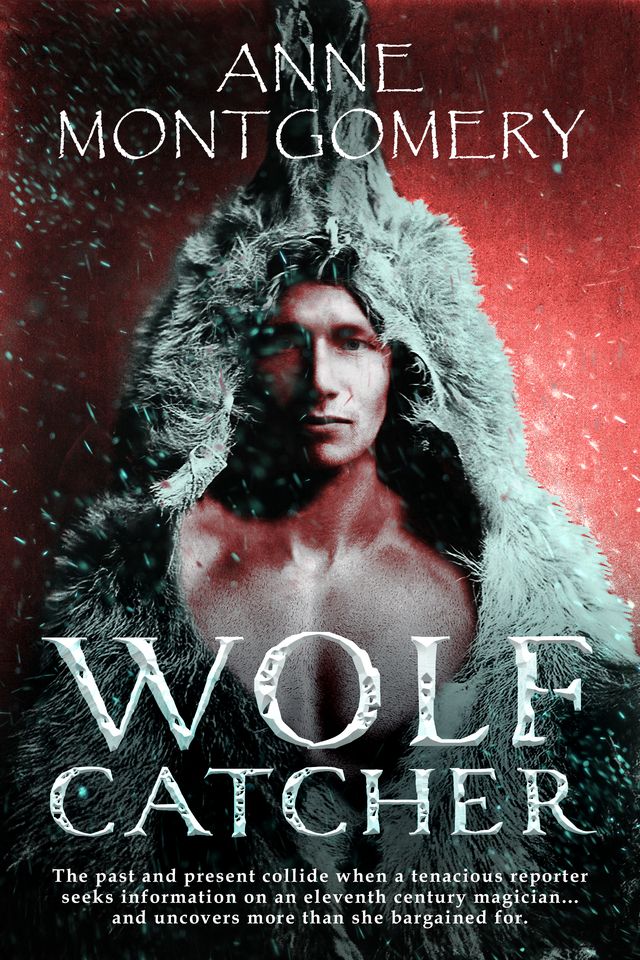
Wolf Catcher

Anne Montgomery

Historical Fiction

In 1939, archeologists uncovered a tomb at the Northern Arizona site called Ridge Ruin. The man, bedecked in fine turquoise jewelry and intricate bead work, was surrounded by wooden swords with handles carved into animal hooves and human hands. The Hopi workers stepped back from the grave, knowing what the Moochiwimi sticks meant. This man, buried nine hundred years earlier, was a magician.

Former television journalist Kate Butler hangs on to her investigative reporting career by writing freelance magazine articles. Her research on The Magician shows he bore some European facial characteristics and physical qualities that made him different from the people who buried him. Her quest to discover The Magician’s origin carries her back to a time when the high desert world was shattered by the birth of a volcano and into the present-day dangers of archeological looting where black market sales of antiquities can lead to murder.

Universal Book Link

Amazon

Apple Books

Barnes and Noble

Google Books

Rakuten Kobo

Bookstores, libraries, and other booksellers can order copies directly from the Ingram Catalog.

Anne Montgomery’s novels can be found wherever books are sold.

Goodreads

Amazon

I never met a microphone I didn’t like, so I love podcasts!

Over the last two years, I’ve tried something different: Podcasts! I’m a bit too lazy to create my own, so I’ve offered myself to those lovely folks who take the time and effort to put podcasts together and it’s been great fun. I like talking about things: books and sportscasting and officiating, teaching and current events, rocks and cats. (Don’t judge.) And I’ve met so many cool people along the way.

Those who know me understand that I never met a microphone I didn’t like, so I’m ready for more. Now, pull up a seat, click on the link, and have a listen.

Anne Montgomery Podcasts

Wolf Catcher

Anne Montgomery

Historical Fiction

In 1939, archeologists uncovered a tomb at the Northern Arizona site called Ridge Ruin. The man, bedecked in fine turquoise jewelry and intricate bead work, was surrounded by wooden swords with handles carved into animal hooves and human hands. The Hopi workers stepped back from the grave, knowing what the Moochiwimi sticks meant. This man, buried nine hundred years earlier, was a magician.

Former television journalist Kate Butler hangs on to her investigative reporting career by writing freelance magazine articles. Her research on The Magician shows he bore some European facial characteristics and physical qualities that made him different from the people who buried him. Her quest to discover The Magician’s origin carries her back to a time when the high desert world was shattered by the birth of a volcano and into the present-day dangers of archeological looting where black market sales of antiquities can lead to murder.

Universal Book Link

Amazon

Apple Books

Barnes and Noble

Google Books

Rakuten Kobo

Bookstores, libraries, and other booksellers can order copies directly from the Ingram Catalog.

Anne Montgomery’s novels can be found wherever books are sold.

Goodreads

Amazon

70: A different type of milestone

Why the flower? A wilted orchid seemed to have long since given up. Then, one day, rather magically, this flower appeared. I took it as a sign. No matter how old we are, something beautiful can happen.

Milestone birthdays are just that. Moments in our lives that appear to be harbingers of change. Think 18 when we become legal adults, despite how dopey most of us are when we’re still in our teens. Or 21 when we can legally belly up to a bar and say, “Yes, I’d like a sweet, minty, Mojito, please.” Turning 30 has us questioning whether we’re fully engaged in life—on the road to a successful and fulfilling career and considering whether we’re finally ready to start a family. Turning 40 sometimes smacks us in the face with a midlife crisis where we ponder our failures and wonder if we’re accomplished enough to head to that high school reunion. Thankfully, things seem to calm down when 50 rolls around. We know who we are and are less likely to worry about what others may think of us. Sixty skips by on the way to magical 65, when we get to retire from the daily grind. Which brings me to 70.

Seventy, for a reason I can’t quite pinpoint, is different. I mention this because I became a septuagenarian earlier this year, and I’m still trying to figure out what to do with that fact.

Dr. John Messerly in his article How Does Life Feel Different At 70,  was spot on when he wrote, “While I don’t feel old… there is still something about turning 70 that freaks me out. I feel like I’m about 40 on the inside, but that’s not what my birth certificate shows. It is just hard to believe that you were a kid or teenager and then, seemingly in an instant, are a senior citizen.”

Exactly!

“Life just looks different,” Messerly went on to explain. “You become increasingly aware of your mortality…You know that much of your life is not on the horizon but behind you. Much of the journey is over. This thought fills you with pride in what you’ve achieved and sadness for what can never be.”

When I look back at my life, I recall a roller-coaster of ups and downs with heart-stopping turns that required me to pause, consider, and change direction. Despite the failures, I’m rather amazed that I completed all I set out to. And still I sometimes feel there’s more I should be doing.

I recall speaking to a former boss when he sat in his office one day in shock. He’d been fired and was clearly distraught. In an effort to soothe him I said, “Work is what we do. It’s not who we are.” He brightened a bit. So, when that “What do I do now?” question hovers, I remember that sentiment.

When I googled the question about living at 70, I got the usual suggestions: eat well, exercise, maintain a healthy sleep routine, get annual medical checkups, and socialize. So staying upright, strong, and well adjusted appear to be the main goals in my seventh decade.

I’d like to say that at 70 I am content with my life and happy to sit and smell the proverbial roses. But that would be a lie. I always feel there is something more to accomplish. And maybe that is ultimately the point.

Wolf Catcher

Anne Montgomery

Historical Fiction

In 1939, archeologists uncovered a tomb at the Northern Arizona site called Ridge Ruin. The man, bedecked in fine turquoise jewelry and intricate bead work, was surrounded by wooden swords with handles carved into animal hooves and human hands. The Hopi workers stepped back from the grave, knowing what the Moochiwimi sticks meant. This man, buried nine hundred years earlier, was a magician.

Former television journalist Kate Butler hangs on to her investigative reporting career by writing freelance magazine articles. Her research on The Magician shows he bore some European facial characteristics and physical qualities that made him different from the people who buried him. Her quest to discover The Magician’s origin carries her back to a time when the high desert world was shattered by the birth of a volcano and into the present-day dangers of archeological looting where black market sales of antiquities can lead to murder.

Universal Book Link

Amazon

Apple Books

Barnes and Noble

Google Books

Rakuten Kobo

Bookstores, libraries, and other booksellers can order copies directly from the Ingram Catalog.

Anne Montgomery’s novels can be found wherever books are sold.

Goodreads

Amazon

Authors! Here are some things you should never do

Writing can be glorious. However, the business aspect of being an author, not so much. Here are some things to think about.

I’ve been writing books for over 30 years. Today, I have six traditionally published novels, which means a publisher paid the bills for editing, proofreading, internal design, cover art, and, on occasion, advertising

However, authors must participate in marketing and promotional campaigns, including creating websites, attending book signings, eliciting reviews, writing blogs, appearing on podcasts, and coordinating media appearances, on top of having a robust social-media footprint. The manuscript writing required of an author pales in comparison to the public relations aspect of the job.

That said, I’d like to address some traps some of my peers stumble into. First, let’s look at those moments when authors scream “Best Seller!”, in an effort to get their book to pop on posts or when courting reviewers.

It used to be that a best seller was a book that racked up a lot of sales during a specific time frame and appeared on one or more of several well-known lists published by the New York Times, U.S.A. Today, or Publishers Weekly, for example. Of course, today there are many more outlets that issue such lists, like Amazon which defines a best seller as a book that appears in the top 100 in a specific genre category. If one’s book is so honored, the author can certainly lay claim to that accomplishment. However, all too often, the source of the “best seller” accolade remains a mystery. Is it a New York Times best seller? Is it a bestseller in your home town of 600 people? Is it a best seller because it sold more copies than any other book you wrote? Or is it a best seller because the author felt the need to gin up attention?

I mention this because I am a big believer in truth in advertising. If you can’t say exactly where your book was a best seller and why, it’s simply disingenuous to use the phrase in marketing.

Then there are reviews. I’ve seen posts that boast glorious verbiage: “Fantastic!” “I loved it!” 5 Stars! “A real page turner!” Then the source is revealed as “Amazon Reviewer.” I’m not saying the reviews aren’t real, but without a name, website, or media outlet, the reviewer could be the author’s mom or no one at all.

And speaking of reviews, it is never okay to ask friends and family members to review your book. I mean, geez, they love you, yes? Understandably, they would never admit your book is really bad, so any reviews from them would be disingenuous at best. Also, don’t say to a fellow author, “I’ll review your book, if you review mine.” That reeks of quid pro quo and is just plain awkward. And never be tempted to purchase fake reviews. Remember, Amazon and other media outlets have their own fake-review police, and you never want to find yourself squaring off with them. Yes, finding strangers who will take the time to read and review your book is a difficult and sometimes disappointing task, however there is no way around it.

I realize a lot of people have an idealistic and rather romanticized version of what being an author means. I’m just saying writing is like any other business where there are responsibilities and rules that need to be respected.

Wolf Catcher

Anne Montgomery

Historical Fiction

In 1939, archeologists uncovered a tomb at the Northern Arizona site called Ridge Ruin. The man, bedecked in fine turquoise jewelry and intricate bead work, was surrounded by wooden swords with handles carved into animal hooves and human hands. The Hopi workers stepped back from the grave, knowing what the Moochiwimi sticks meant. This man, buried nine hundred years earlier, was a magician.

Former television journalist Kate Butler hangs on to her investigative reporting career by writing freelance magazine articles. Her research on The Magician shows he bore some European facial characteristics and physical qualities that made him different from the people who buried him. Her quest to discover The Magician’s origin carries her back to a time when the high desert world was shattered by the birth of a volcano and into the present-day dangers of archeological looting where black market sales of antiquities can lead to murder.

Universal Book Link

Amazon

Apple Books

Barnes and Noble

Google Books

Rakuten Kobo

Bookstores, libraries, and other booksellers can order copies directly from the Ingram Catalog.

Anne Montgomery’s novels can be found wherever books are sold.

Goodreads

Amazon