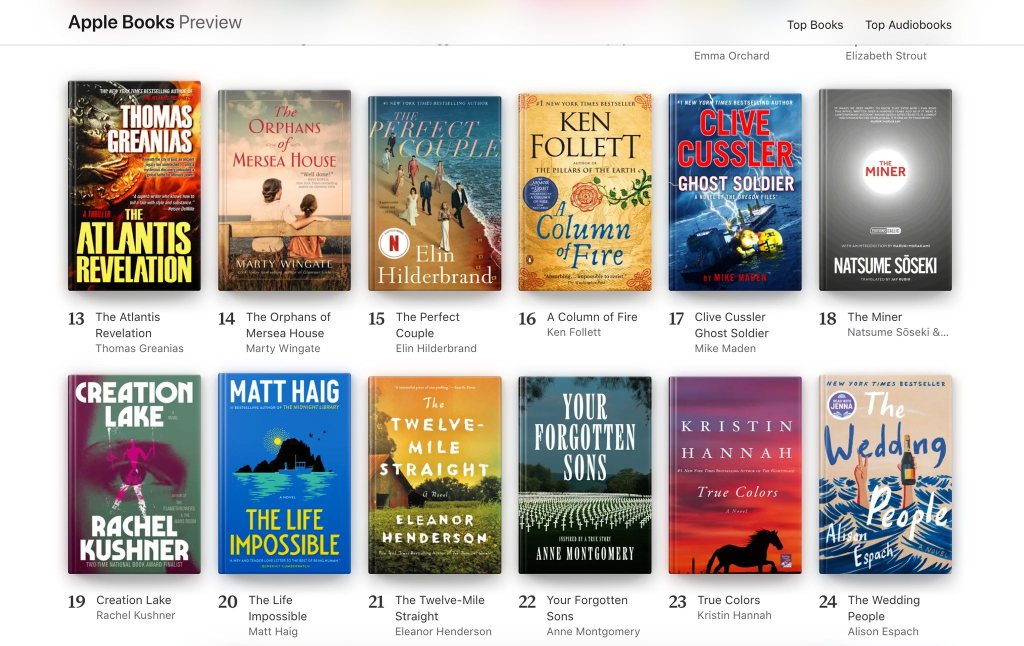
I’ve been writing books for over 30 years. Today, I have six traditionally published novels, which means a publisher paid the bills for editing, proofreading, internal design, cover art, and, on occasion, advertising
However, authors must participate in marketing and promotional campaigns, including creating websites, attending book signings, eliciting reviews, writing blogs, appearing on podcasts, and coordinating media appearances, on top of having a robust social-media footprint. The manuscript writing required of an author pales in comparison to the public relations aspect of the job.
That said, I’d like to address some traps some of my peers stumble into. First, let’s look at those moments when authors scream “Best Seller!”, in an effort to get their book to pop on posts or when courting reviewers.
It used to be that a best seller was a book that racked up a lot of sales during a specific time frame and appeared on one or more of several well-known lists published by the New York Times, U.S.A. Today, or Publishers Weekly, for example. Of course, today there are many more outlets that issue such lists, like Amazon which defines a best seller as a book that appears in the top 100 in a specific genre category. If one’s book is so honored, the author can certainly lay claim to that accomplishment. However, all too often, the source of the “best seller” accolade remains a mystery. Is it a New York Times best seller? Is it a bestseller in your home town of 600 people? Is it a best seller because it sold more copies than any other book you wrote? Or is it a best seller because the author felt the need to gin up attention?
I mention this because I am a big believer in truth in advertising. If you can’t say exactly where your book was a best seller and why, it’s simply disingenuous to use the phrase in marketing.
Then there are reviews. I’ve seen posts that boast glorious verbiage: “Fantastic!” “I loved it!” 5 Stars! “A real page turner!” Then the source is revealed as “Amazon Reviewer.” I’m not saying the reviews aren’t real, but without a name, website, or media outlet, the reviewer could be the author’s mom or no one at all.
And speaking of reviews, it is never okay to ask friends and family members to review your book. I mean, geez, they love you, yes? Understandably, they would never admit your book is really bad, so any reviews from them would be disingenuous at best. Also, don’t say to a fellow author, “I’ll review your book, if you review mine.” That reeks of quid pro quo and is just plain awkward. And never be tempted to purchase fake reviews. Remember, Amazon and other media outlets have their own fake-review police, and you never want to find yourself squaring off with them. Yes, finding strangers who will take the time to read and review your book is a difficult and sometimes disappointing task, however there is no way around it.
I realize a lot of people have an idealistic and rather romanticized version of what being an author means. I’m just saying writing is like any other business where there are responsibilities and rules that need to be respected.
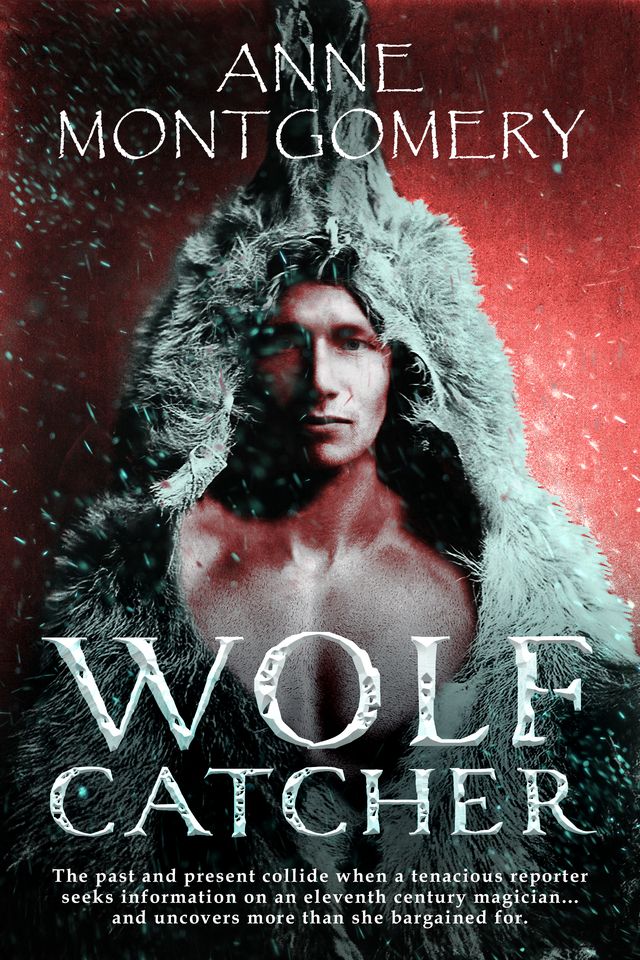
Wolf Catcher
Anne Montgomery
Historical Fiction
In 1939, archeologists uncovered a tomb at the Northern Arizona site called Ridge Ruin. The man, bedecked in fine turquoise jewelry and intricate bead work, was surrounded by wooden swords with handles carved into animal hooves and human hands. The Hopi workers stepped back from the grave, knowing what the Moochiwimi sticks meant. This man, buried nine hundred years earlier, was a magician.
Former television journalist Kate Butler hangs on to her investigative reporting career by writing freelance magazine articles. Her research on The Magician shows he bore some European facial characteristics and physical qualities that made him different from the people who buried him. Her quest to discover The Magician’s origin carries her back to a time when the high desert world was shattered by the birth of a volcano and into the present-day dangers of archeological looting where black market sales of antiquities can lead to murder.
Bookstores, libraries, and other booksellers can order copies directly from the Ingram Catalog.
Anne Montgomery’s novels can be found wherever books are sold.


 Author Anne Montgomery