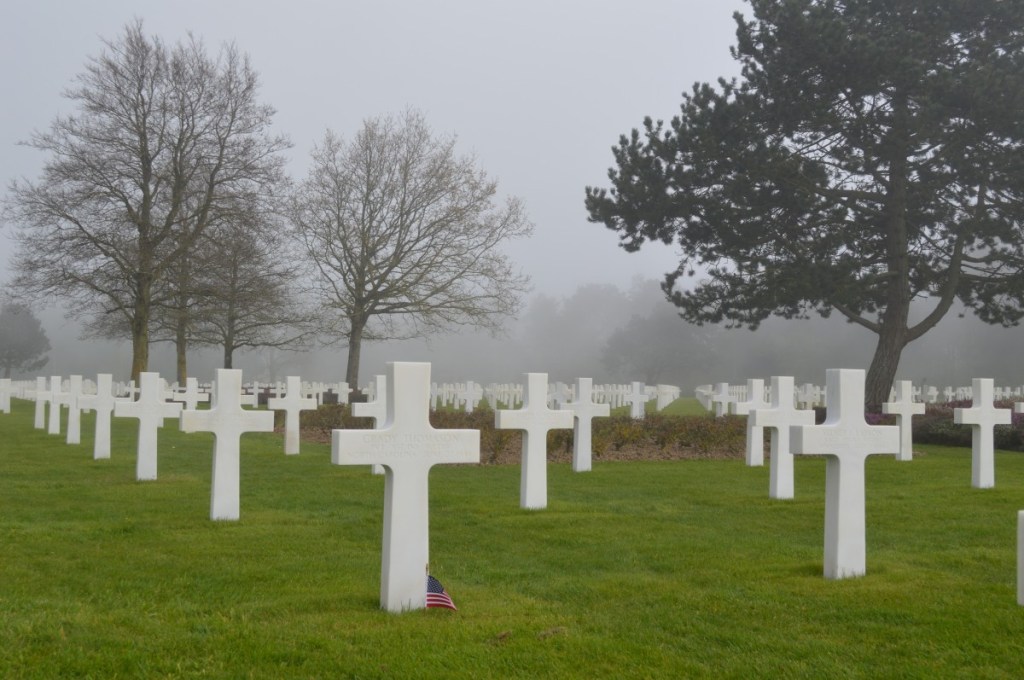
Memorial Day is different from other holidays, though it seems many of us have forgotten the point of the celebration. I ran into this issue back when I was a print reporter the day my editor asked me to write a story about the holiday.
“Go find out about all the fun events people can attend,” he said. “Parties, big sales, parades. Things like that.”
I frowned, which caught him off guard. “What?” He held his hands palms up.
I had never refused an assignment before, still I couldn’t help myself. “Memorial Day isn’t about shopping and drinking beer. It’s about remembering those you died while serving.”
He looked at me for a moment. “Write whatever you want.”
So, I contacted the local Veterans of Foreign Wars post and interviewed a number of aging veterans, men who despite their advanced years, recalled vividly those who were left behind.
“I was a foot soldier in the 59th Field Hospital. My brother was in the 7th Armored Division. He chased me and I chased him, but he was killed before I got to him.”
“A buddy of mine…we went all the way through the war right to the end. Just outside of Cheb, Czechoslovakia he got captured and they stuck a pistol in his mouth and pulled the trigger. He was…22.”
“The pilot of the helicopter was going to lower me down into the water and I leaned out and took a look. Here was these huge fishes going around eating pieces of bodies. Sharks. And you know they couldn’t declare that person dead because they didn’t know if it was one person or two. I thought about it ever since.”
“I was standing watch at night. There were dead pilots lined up on the deck waiting to be buried at sea. They were covered except for their feet, which rocked back and forth as the ship swayed in the waves.”
Though Memorial Day is technically a time to remember those who have fallen during war, many of us also reflect on other former service men and women who are no longer with us. I have over the years spent the day thinking about my father who faced kamikazes and rode a destroyer escort into Tokyo Bay at the end of World War II. My dear friend Don Clarkson, a decorated hero of the Vietnam War who spent the rest of his life struggling with the demons he brought home. And Sargent Bud Richardville who served in the Graves Registration Service during World War II where his job was to locate, identify and bury the dead.
Note that I’m not saying you shouldn’t enjoy a cold beer and burger with friends on Memorial Day, but perhaps in the middle of whatever reverie you choose, you could stop and think about those who died to give you that opportunity.

Inspired by a true story
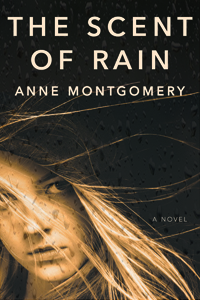
Bud Richardville is inducted into the Army as the United States prepares for the invasion of Europe in 1943. A chance comment has Bud assigned to a Graves Registration Company, where his unit is tasked with locating, identifying, and burying the dead. Bud ships out, leaving behind his new wife, Lorraine, a mysterious woman who has stolen his heart but whose secretive nature and shadowy past leave many unanswered questions. When Bud and his men hit the beach at Normandy, they are immediately thrust into the horrors of what working in a graves unit entails. Bud is beaten down by the gruesome demands of his job and losses in his personal life, but then he meets Eva, an optimistic soul who despite the war can see a positive future. Will Eva’s love be enough to save him?
Praise for Your Forgotten Sons
“What a brilliant book! I couldn’t put this novel down…It is a solid five-star read. An unputdownable accounting of innocence, greed, the horrors of war, and the selfishness and criminal behaviors of some who seek to profit off the misfortunes of others. Your Forgotten Sons should be a must-read for all lovers of fiction, especially WWII fiction. The tale was educational, provocative, enlightening, and so well done. I hope Anne Montgomery writes another tale such as this. Her books have found a place on my bookshelves.” – Virginia Dill Book Sirens
“Spectacular! One of the most personal books about WWII history that I’ve ever read…The characters in this book are so well crafted that the reader feels like they know them…My only regret is that it ended.” 5 Stars – Deacon Tom F, former USAF Lt Col., Amazon
“Although a defty crafted work of original fiction, “Your Forgotten Sons” by Anne Montgomery is inspired by a true story. An original and inherently interesting read from start to finish, “Your Forgotten Sons” will prove to be an immediate and enduringly appreciated pick.” – Midwest Book Review
“Your Forgotten Sons” by Anne Montgomery is a historical fiction novel that intricately explores the emotional turmoil of war, immersing readers in its richly crafted world and leaving a lasting impact with its nuanced characters and poignant storytelling.” – Chrysalis Brew Project
“This was a quick, riveting read that really challenged me to think differently about our servicemen and women, especially those who take on the jobs that don’t get heroically depicted in the media or news…I really highly recommend this book to anyone that is looking for a different take on American history. I left it with a newfound appreciation for the unsung heroes.” – Bekah C NetGalley
“The story of Bud is tragic and evokes strong emotions, a sense of having lost a buddy in arms, a brother you knew and loved…The conclusion may not be what the reader expects, however, and the reveal is shocking. War is hell. 5 stars.” – Virginia Williams Rosepoint Publishing
“Certainly Montgomery’s best book yet. Should be required reading for West Point Cadets and ROTC students, but more importantly mandatory reading for those of us that are casual observers of conflict. The book shifted my paradigm about the personal cost of war, and especially what it takes to clean up after a battle. Montgomery continues to be an outstanding story teller!” – Bill Clarkson Goodreads Reviewer
“This is the truth. It’s gritty and painful and bittersweet – and true. When you think you’ve read every perspective of WWII, along comes Bud to break your heart.” – Bridgett Siter Former Military Reporter
“Anne Montgomery writes a strong story and I was hooked from the first page. It had a great concept and I enjoyed that this was inspired by a true story…It was written perfectly and I was invested in the story. Anne Montgomery has a great writing style and left me wanting to read more.” – Kathryn McLeer NetGalley