The past and present collide when a tenacious reporter seeks information on an eleventh century magician…and uncovers more than she bargained for.
I’m delighted to announce that Touchpoint Press will be releasing my novel Wolf Catcher on February 2, 2022. For lovers of suspense and historical fiction based in fact, I encourage you to take a look.
Kate and Kaya, who are separated by nine centuries, both feel rejected by the societies in which they live and are bound together by one man. The Magician, as he came to be called, was discovered in 1939 when archeologists uncovered a tomb at a remote Northern Arizona site called Ridge Ruin. The man, bedecked in fine turquoise jewelry and intricate beadwork, was surrounded by myriad pots, arrow points, and fine mineral specimens. But it was the wooden swords with handles carved into animal hooves and human hands that the Hopi workers explained identified him as a magician.
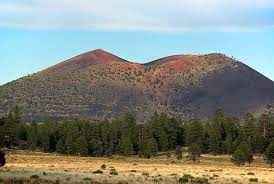
But who was he? In my former role as a journalist, I was tasked with determining why this man, who appeared different from the people who buried him, was interred so reverently and with such incredible wealth. Many of the situations that fictional reporter Kate Butler faces in the story actually happened. My research carried me back to a time when the high desert world was shattered by the birth of a volcano, then forward into the present-day dangers of archeological looting and the black market sales of antiquities.
Some people love their Christmas decorations so much they keep them up long after the holiday season is over.
The winter holidays are funny things. Some people get all giddy at the thought of the festivities. You know the ones. Those folks who put their Christmas lights up in October and keep every strand in place until tearfully taking them down in April. Wreaths are a permanent fixture, and they feel compelled to send out those incredibly detailed family newsletters where everyone is happy, successful, and using all their spare time to feed the homeless.
Others, however, dread those year-end family/friend celebrations. Some despair at the thought of ugly-sweater parties, accidental pauses under the mistletoe, secret Santas, and those groaning tables of tempting but questionable potluck fare.
Don’t get me wrong. When I was a kid, I thought Christmas was grand, even though my parents made us work for every one of the cool things we got. In our house, one had to prove oneself worthy of those special gifts. I’d skied for several years before Santa deposited those bright-blue skis with my name engraved on the tips under the tree. And he added a light blue jacket that matched a new ski outfit. Very cool. Then, Santa decided that after two years of renting a clarinet, I could have my very own. Same with the guitar that appeared magically under the tree when I was 15. A sweet Yamaha 12-string that arrived via reindeer sled, three years after I’d begun plunking away on an old hand-me-down. Back then, we had to prove to “Santa” that our hobbies were not just passing fancies. And anticipation—a quaint idea in our world where everyone wants things right now—was a constant companion.
When my siblings and I were older, however, the thought of returning home for the holidays necessitated pre-party meet-ups at a local bar where we would fortify ourselves against the coming family event. Why, you ask? Mostly, we dreaded those gatherings because we had a very small group of partiers. Our whole family consisted of Mom, Dad, three siblings, two aunts, and an uncle. Despite the usual copious amounts of alcohol, everyone was pretty reserved, unless an argument broke out, which happened periodically since we were all loud and opinionated and no one ever agreed on anything. With such a small bunch of revelers, it was damn hard to hide when things got heated. And since no one in the group was apt to don an elf hat and be silly or break into Christmas carols, mostly we were so bored we couldn’t wait for the celebration to end. (I could also add here that my Mom was not a very good cook, but since she’s still chugging along at almost 97, maybe I should just let that slide.)
While this is not my family celebrating Christmas in the 60’s, it’s will give you a damned good idea of what those celebrations looked like.Where are the Sicilians when you need them?
Note that my small family was not of the huggy-kissy variety. We are of stoic Irish extraction, so Christmas Eve visits to my Italian friend’s home were a revelation. Two hundred people would materialize turning her house into a Sicilian-style, lipsmacking, backslapping madhouse. I’d watch her mother prepare for the locust-like arrival of the relatives. Just making cookies was astonishing. Since no bowl was big enough for the massive batches of Christmas cookies, five pounds of flour and a big sack of sugar would be dumped on the kitchen counter. A hole would be hallowed in the middle of the pile and a dozen cracked eggs would be deposited inside. Then she’d add everything else and mix the batter by hand. I was always sure those eggs would come oozing out and spill onto the floor, but they never did. Occasionally, Nonnie—my friend’s tiny, black-clad, widowed grandmother— would wander through, look at me and say something in Italian. I’m pretty sure she was trying to figure out how she ended up with a red-headed, freckled, blue-eyed granddaughter whose name she didn’t know. But then she’d grin, pat me on the cheek, and shuffle away. When comparing my family’s staid Christmas events to the frenetic Italian version, I could sense something was missing. Ours just wasn’t fun.
I know what you’re thinking. Christmas, isn’t about parties and revelry and gazing at my friend’s handsome cousin Vito leaning rakishly against a doorjamb beneath the mistletoe. No, it’s a religious holiday. As a former, hardcore Catholic, I am well aware of that aspect of the event, and I admit that I sometimes miss all that gilded, incense-infused, clerical pomp. But as anyone who has ever watched TV around the holidays knows, Christmas is really about buying stuff and parties. (Some of you are now praying for my soul, but one must tell the truth.)
Today, I wince at the frantic holiday activity that seems to consume people. My sweetie pie and I long ago stopped exchanging gifts, because there’s nothing we want or need. And since the kids are all in their twenties, there seems no reason to haul out the decorations. Note that I learned a neat trick last year. If the kids want a tree, I’ll buy it, but they have to put it up and take it down. So far I’ve had no takers.
Here’s a solid holiday wish, though it didn’t turn out exactly the way Mulder intended.
I will admit that Peace on Earth is a swell Christmas idea. But when I hear the phrase I always picture Mulder in the TV series X-Files when the disturbed FBI investigator is given a wish. “I want Peace on Earth!” he says with conviction. Suddenly, there’s silence and the genie explains that all the people on Earth are now gone, as per Mulder’s request.
Which reminds me of that other winter holiday: New Years. As a former waitress and bartender, I might have relished the results of Mulder’s wish during that particular celebration, considering the usual mass of crazy revelers standing six deep at the bar. New Year’s Eve was so out of control that I have hidden myself at home on that night for decades. And I wear a hard hat, just in case some celebratory wacko feels like shooting a weapon into the sky to ring in the new year.
All that said, please don’t think me Scrooge-like. If you invite me to a holiday party, I promise I will kiss and hug and backslap in honor of those long-ago Sicilians. I will embibe and try every dish on your buffet. And, even though it didn’t work out so well for Mulder, I will make the most important wish of all. “I want Peace on Earth!” I’ll cry. And maybe, if you all don’t disappear, you’ll wish for it too.
Ancient ruins, haunted memories, and a ruthless criminal combine with a touch of mystic presence in this taut mystery about a crime we all must address.
THE CASTLE
Anne Montgomery
Contemporary Women’s Fiction/Suspense
TouchPoint Press
September 13, 2021
Maggie, a National Park Ranger of Native American descent, is back at The Castle—a six-hundred-year-old pueblo carved into a limestone cliff in Arizona’s Verde Valley. Maggie, who suffers from depression, has been through several traumas: the gang rape she suffered while in the Coast Guard, the sudden death of her ten-year-old son, and a suicide attempt.
One evening, she chases a young Native American boy through the park and gasps as he climbs the face of The Castle cliff and disappears into the pueblo. When searchers find no child, Maggie’s friends believe she’s suffering from depression-induced hallucinations.
Maggie has several men in her life. The baker, newcomer Jim Casey, who always greets her with a warm smile and pink boxes filled with sweet delicacies. Brett Collins, a scuba diver who is doing scientific studies in Montezuma Well, a dangerous cylindrical depression that houses strange creatures found nowhere else on Earth. Dave, an amiable waiter with whom she’s had a one-night stand, and her new boss Glen.
One of these men is a serial rapist and Maggie is his next target. In a thrilling and terrifying denouement, Maggie faces her rapist and conquers her worst fears once and for all.
REVIEW COPIES OF THE CASTLE AVAILABLE UPON REQUEST
Also available on NetGalley
Contact: Chelsea Pieper, Publicity Manager, Media Liaison
My old friend Laurie often told me people want to help, all you have to do is ask. It wasn’t until recently that I understood.
I have had a friend for many years who advised me that if I ever needed help all I have to do is look around, find a person, and ask. At the time, I smiled and claimed I understood, and yet the thought of needing assistance from a stranger rankled. (In fact, I struggled with asking loved ones for help.)
Still, Laurie insisted that it worked every time. Note that when we met, Laurie was confined to a wheelchair, the result of an accident that left her paralyzed from the waist down. Still, it didn’t seem to slow her down. I watched her play wheelchair tennis and we skied together, with her guiding her sled down the mountain using short, modified poles, something she sometimes did attached to blind skiers, so that they too might experience the thrill of skiing. Laurie has worked her whole life, traveled the world, and not too long ago I watched as she rolled across a stage to accept her PhD.
Recently, I thought of her advice. A badly broken leg that required surgical repair had me homebound for several months. A knee scooter became my prime mode of transportation. When the doctor informed me that I was free to walk in my big, plastic boot, I was thrilled, but my enthusiasm dampened the moment I took my first step.
It hurt! A lot! Kind of like I was breaking my leg all over again. Day after day, I tried, but after several weeks, my leg didn’t feel much better. I finally began to believe the doctor’s prognosis that it would take six to tweleve months for me to get back to normal.
When my sweetie pie, who’d been tending to my needs, got a very bad cold, we both agreed he should stay home, so I wouldn’t get sick, as well. The time had come for me to figure things out myself.
Determined to get back into the world on my own, I hobbled to my car and drove to the health club, grateful that my left leg is the mangled appendage. I leaned heavily on my cane and walked the few steps to the trunk of my car where I managed to pull out my scooter. The wheels were unwieldly and I realized I probably wouldn’t be able to get it back in the car. I muddled that problem over in the pool, where, as you might expect, walking was so much easier. Ah….
As I was leaving the club, I asked the young man at the desk if he could help me.
“Of course!” He graced me with a beautiful smile. After he got my scooter situated, he helped me to the driverseat, and offered me a fist bump before waving me off.
That felt so nice that I tried it again on the man who does security in the Trader Joe’s parking lot. Again, a lovely smile. “Happy to help!”
It went that way the rest of the day. My favorite was the eleven-year-old girl who smiled shyly at me as I scooted through the grocery store. After passing by, she did an about face and approached me. “Can I get anything for you, ma’am?” She looked so sweet and earnest.
“How nice of you to ask,” I said. “But I already have everything I need.”
She smiled, nodded, and bounced away.
After another gentleman in the parking lot pushed my scooter into the truck and waved, I sat there thinking about people in general. As an avid consumer of the news, I sometimes get disillusioned about mankind. But now I know most people are nice. They want to help. And, as Laurie taught me, all you have to do is ask.
Ancient ruins, haunted memories, and a ruthless criminal combine with a touch of mystic presence in this taut mystery about a crime we all must address.
THE CASTLE
Anne Montgomery
Contemporary Women’s Fiction/Suspense
TouchPoint Press
September 13, 2021
Maggie, a National Park Ranger of Native American descent, is back at The Castle—a six-hundred-year-old pueblo carved into a limestone cliff in Arizona’s Verde Valley. Maggie, who suffers from depression, has been through several traumas: the gang rape she suffered while in the Coast Guard, the sudden death of her ten-year-old son, and a suicide attempt.
One evening, she chases a young Native American boy through the park and gasps as he climbs the face of The Castle cliff and disappears into the pueblo. When searchers find no child, Maggie’s friends believe she’s suffering from depression-induced hallucinations.
Maggie has several men in her life. The baker, newcomer Jim Casey, who always greets her with a warm smile and pink boxes filled with sweet delicacies. Brett Collins, a scuba diver who is doing scientific studies in Montezuma Well, a dangerous cylindrical depression that houses strange creatures found nowhere else on Earth. Dave, an amiable waiter with whom she’s had a one-night stand, and her new boss Glen.
One of these men is a serial rapist and Maggie is his next target. In a thrilling and terrifying denouement, Maggie faces her rapist and conquers her worst fears once and for all.
REVIEW COPIES OF THE CASTLE AVAILABLE UPON REQUEST
Also available on NetGalley
Contact: Chelsea Pieper, Publicity Manager, Media Liaison
It took a while, but I have made peace with my cane.
“You can walk in your boot,” my surgeon said.
I was so excited, but wondered at the way he eyed me.
“It’ll hurt,” he pointed out.
Despite those words, I wasn’t worried. I’d been in a lot of pain over the previous months, the result of a bout of Covid that somehow evaded my vaccine jabs and caused me to pass out, resulting in a badly-broken leg. Still, as I faced the man who’d made me the proud new owner of a large titanium plate and eleven screws, I was convinced that I’d be running around in short order.
But I was wrong. My leg had been inactive for a long time. Putting pressure on my foot felt like it was breaking all over again. “Owww!” I yelped as I staggered about in my boot.
“Take it easy!” my sweetie pie said, frowning at my awkward display.
I have lots of new hardware. Apparently, it’ll be a while before my metal bits start getting along with my regular bits.
“How long will this take to get back to normal?” I asked my physical therapist. When he agreed with the surgeon that it would be anywhere from six to twelve months, I scoffed. I wondered if they were predicating their replies on the fact that I’m 66. I can’t tell you how many doctors in the last year or two have smiled and reminded me that I’m, um, elderly. Which makes me want to shout that I’ve worked out all my life, I eat right, and get my sleep. Yes, I drink some wine with dinner and have a bit of chocolate everyday, but I’m healthy and certainly not old!
Because I felt the need to research what is considered old age, I will now have to retract my previous statement. Turns out the World Health Organization says old age begins at 60. Sigh…
I have been toddling around for three weeks. Improvment is achingly slow. Sometimes, I still cheat and grab my scooter.
“Have you considered a cane?” I was asked during a PT session.
A chill ran down my spine. A cane? I visualized myself bent over and shuffling, a halo of white hair, a flowery housedress, and some fuzzy slippers. Still, in a fit of frustration, I purchased a walking stick from Amazon. It’s shiny turquoise with a big, square bottom so I won’t fall over. The only thing that made me feel better was the fact that by definition a cane has long been considered a symbol of strength and power, authority and social prestige. While the definition goes on to explain that it is predominately men to whom a cane is a sign of success, I feel secure jumping on the bandwagon.
My cane and I are learning to become friends. I still feel a little quesy when I grab the handle. The first ten steps or so make my leg bark in protest. But there’s no other way to get better. So, for the time being, me and my cane “got a thing, goin’ on,” do, do do…🎵🎶🎵🎶🎵
I’ll let you know how it goes.
Ancient ruins, haunted memories, and a ruthless criminal combine with a touch of mystic presence in this taut mystery about a crime we all must address.
THE CASTLE
Anne Montgomery
Contemporary Women’s Fiction/Suspense
TouchPoint Press
September 13, 2021
Maggie, a National Park Ranger of Native American descent, is back at The Castle—a six-hundred-year-old pueblo carved into a limestone cliff in Arizona’s Verde Valley. Maggie, who suffers from depression, has been through several traumas: the gang rape she suffered while in the Coast Guard, the sudden death of her ten-year-old son, and a suicide attempt.
One evening, she chases a young Native American boy through the park and gasps as he climbs the face of The Castle cliff and disappears into the pueblo. When searchers find no child, Maggie’s friends believe she’s suffering from depression-induced hallucinations.
Maggie has several men in her life. The baker, newcomer Jim Casey, who always greets her with a warm smile and pink boxes filled with sweet delicacies. Brett Collins, a scuba diver who is doing scientific studies in Montezuma Well, a dangerous cylindrical depression that houses strange creatures found nowhere else on Earth. Dave, an amiable waiter with whom she’s had a one-night stand, and her new boss Glen.
One of these men is a serial rapist and Maggie is his next target. In a thrilling and terrifying denouement, Maggie faces her rapist and conquers her worst fears once and for all.
REVIEW COPIES OF THE CASTLE AVAILABLE UPON REQUEST
Contact: Chelsea Pieper, Publicity Manager, Media Liaison
The moment I mention the impending arrival of a new book, prospective readers ask, “What’s the genre?”
“Well, um…it’s hard to say,” I respond, staring at my shoes, wondering why such a simple question has no equally simple answer.
I have a tendency to write stories without giving thought to where they might fit in literary culture. So far, my titles have been variously listed as soft-thriller, contemporary fiction, romantic suspense, historical fiction, women’s fiction, and young adult fiction. So you can see why labeling my work tends to make my head spin.
Still, identifying a genre for your novel is important.
“We use genre as a way to identify the category of a book. Where it should be sold in a store. Or who its competition will be,” long-time literary agent Steve Laub wrote in his blog article Does Genre Matter? “The best way to describe it is to say that publishers and booksellers sell books out of boxes. The boxes are labeled “Romance” “Thriller” “Mystery” etc. Before we resist that exercise I would claim that we consumers buy books out of those boxes. It is quite possible that the boxes were created by us (the consumers).”
Wild Horses on the Salt has been called women’s fictionand suspensewith a touch of romance.
There is some dispute about which English book should be called the first novel. Some believe Miguel de Cervantes’ Don Quixote of La Mancha, published in 1605, deserves the honor. Others opine that Daniel Defoe’s 1719 Robinson Crusoe should get the nod. Either way, neither author had to think too hard about genre.
“In 1719, when “Robinson Crusoe” appeared, many people considered “the novel,” in itself, to be a genre,” said Joshua Rothman in his The New Yorker article titled A Better Way to Think About The Genre Debate. “The novel was a new thing—a long, fictitious, drama-filled work of prose—and its competitors were other prose genres: histories, biographies, political tracts, sermons, testimonies about travel to far-off lands. What set the novel apart from those other prose genres was its ostentatious fictitiousness.”
Clearly, modern-day authors can find labeling their work infinitely more complicated than those early novelists. Look at today’s overwhelming number of possible fiction genres. The Book Industry Study Group’s list of fiction topics includes approximately 140 genres, all of which can be combined in what seems like a never-ending number of possibilities.
The Scent of Rain was marketed as young-adult fiction.
I’ll admit, sometimes I’m jealous of my romance-writer friends, their covers bursting with muscled torsos and over-flowing bodices that leave not a hint of confusion about what type of story resides inside. Still, as difficult as pinning down that perfect genre might be, there’s no way around it, especially if you want to contact agents, or publishers, or editors, or reviewers, because those folks are pretty specific about the types of book they’re interested in. If you want to be considered an amateur in the publishing world, go ahead and send a query about your sci-fi, apocalyptic, young adult romance to someone who has made clear their genre of choice is Regency historical fiction. (And you were wondering why you hadn’t heard back.)
While some authors may be tempted to leave the genre decision to others, remember you wrote the book. You know the story and the characters better than anyone. Ultimately, you should choose. An article on the blog Rock Your Writing called How To Figure Out Your Book’s Genre suggests you consider, “who is the mostly likely to seek out this particular type of book, buy this type of book, and enjoy this type of book.”
While the decision on genre is yours, it’s the reader we authors need to consider, because, as Laub pointed out, if our “baby” is in the wrong box, maybe those readers won’t find it.
And, in case you’re wondering, my new book The Castle is listed as both contemporary women’s fiction and suspense. See what you think.
Ancient ruins, haunted memories, and a ruthless criminal combine with a touch of mystic presence in this taut mystery about a crime we all must address.
THE CASTLE
Anne Montgomery
Contemporary Women’s Fiction/Suspense
TouchPoint Press
September 13, 2021
Maggie, a National Park Ranger of Native American descent, is back at The Castle—a six-hundred-year-old pueblo carved into a limestone cliff in Arizona’s Verde Valley. Maggie, who suffers from depression, has been through several traumas: the gang rape she suffered while in the Coast Guard, the sudden death of her ten-year-old son, and a suicide attempt.
One evening, she chases a young Native American boy through the park and gasps as he climbs the face of The Castle cliff and disappears into the pueblo. When searchers find no child, Maggie’s friends believe she’s suffering from depression-induced hallucinations.
Maggie has several men in her life. The baker, newcomer Jim Casey, who always greets her with a warm smile and pink boxes filled with sweet delicacies. Brett Collins, a scuba diver who is doing scientific studies in Montezuma Well, a dangerous cylindrical depression that houses strange creatures found nowhere else on Earth. Dave, an amiable waiter with whom she’s had a one-night stand, and her new boss Glen.
One of these men is a serial rapist and Maggie is his next target. In a thrilling and terrifying denouement, Maggie faces her rapist and conquers her worst fears once and for all.
REVIEW COPIES OF THE CASTLE AVAILABLE UPON REQUEST
Also available on NetGalley
Contact: Chelsea Pieper, Publicity Manager, Media Liaison
Forty-eight million Americans serve as caregivers for friends and family members in need.
I have always considered myself strong and quite capable of taking care of myself, but life has a way of swatting our perceptions away. I came to this conclusion when I was stricken with Covid-19—despite being fully vaccinated— a broken leg that rendered me unable to walk for two months, and an eye infection that affected my vision. (No, I never do anything halfway.)
I admit that I rarely thought of caregivers before, but as I stared up from my bed—broken and sick— at the face of my masked sweetie pie, I was struck by my utter helplessness. In the beginning, I was too sick to consider how much work I’d become. Nor did it register that I wasn’t the only person in Ryan’s care. His prime caretaking responsibility is his 85-year-old mom who is losing her eyesight and suffers from dementia.
So, Ry was now faced with two of us. When the Covid started to ease, I jokingly called Ryan Ethan Frome, the title character in the 1911 novel by American author Edith Wharton. For those who are unfamiliar with the story, poor Ethan, who has a disabled shrew of a wife, falls in love with a pretty young woman. Then, with no way out, they decide to commit suicide together, however the plan goes awry. They both live, but the woman becomes disabled, so Ethan now has two sickly people to care for.
Ryan, as my caregiver, had to do everything when I was sick and broken.
According to the AARP, “Every day, some 48 million Americans help parents, spouses and other loved ones with medical care, meals, bathing, dressing, chores and much more. They do it out of love, not for pay.”
When I was well enough to notice, I realized the enormous pressure Ryan faced. He had to feed his mother, monitor her medications, and tend to grocery shopping and medical appointments, as well as weather her constant confusion and memory issues. Then he had to come to my house and care for all my needs, as well.
As you can imagine, caregivers are suffering. “Family caregivers now encompass more than one in five Americans,” says the research series Caregiving in the US. “The study also reveals that family caregivers are in worse health compared to five years ago.” Caregivers spend a whopping 13 days each month “on tasks such as shopping, food preparation, housekeeping, laundry, transportation, and giving medication.”
These constant demands force caregivers to push their own lives and needs aside, often causing burnout. Between 40 to 70% of caregivers are said to suffer from depression, with those attending to patients with cognitive decline being the most likely to be effected. Also, chronic illnesses like diabetes, arthritis, high blood pressure, heart disease, and immune system disorders can worsen.
Ryan stepped up and became a caregiver when I needed him. I will always be grateful.
What can caregivers do? First, ask for help, if you’re feeling overwhelmed. There are agencies all over the country that offer services to caregivers that can help lighten the load, so check the Internet and your insurance company to see what’s available. Do the best you can, but forgive yourself when days don’t go as planned. And carve out some time out for yourself.
Every Tuesday, Ryan goes to lunch with his long-time buddies. The gathering is his one time of respite during the week when most of his efforts revolve around me and his mom. He always seems more energized when he returns from these get-togthers and happily tells me what’s new with the boys.
November is National Family Caregivers Month, so I’d like to give a big shoutout to those who shoulder the responsibilities for others. Caregiving is an exhausting, often overlooked effort. So thank you to all the folks who support those of us in need.
And, of course, I’m especially grateful for Ryan who jumped in with both feet when my health failed, never getting angry, and doing his best to cheer me up when I was down.
Thank you, Ry. I love you!
Ancient ruins, haunted memories, and a ruthless criminal combine with a touch of mystic presence in this taut mystery about a crime we all must address.
THE CASTLE
Anne Montgomery
Contemporary Women’s Fiction/Suspense
TouchPoint Press
September 13, 2021
Maggie, a National Park Ranger of Native American descent, is back at The Castle—a six-hundred-year-old pueblo carved into a limestone cliff in Arizona’s Verde Valley. Maggie, who suffers from depression, has been through several traumas: the gang rape she suffered while in the Coast Guard, the sudden death of her ten-year-old son, and a suicide attempt.
One evening, she chases a young Native American boy through the park and gasps as he climbs the face of The Castle cliff and disappears into the pueblo. When searchers find no child, Maggie’s friends believe she’s suffering from depression-induced hallucinations.
Maggie has several men in her life. The baker, newcomer Jim Casey, who always greets her with a warm smile and pink boxes filled with sweet delicacies. Brett Collins, a scuba diver who is doing scientific studies in Montezuma Well, a dangerous cylindrical depression that houses strange creatures found nowhere else on Earth. Dave, an amiable waiter with whom she’s had a one-night stand, and her new boss Glen.
One of these men is a serial rapist and Maggie is his next target. In a thrilling and terrifying denouement, Maggie faces her rapist and conquers her worst fears once and for all.
REVIEW COPIES OF THE CASTLE AVAILABLE UPON REQUEST
Contact: Chelsea Pieper, Publicity Manager, Media Liaison
Do not dispair when you make a mistake. Learn from it.
I’ve made lots of mistakes. Far too many to list. And I’m guessing you have too.
Clearly, mistakes are common. I discerned this from all the ways we have to refer to them: blunders, gaffes, slip-ups, lapses, miscalculations, faux pas, missteps, to name a few. But no matter what we call them, these errors in judgement tend to cause upset, anxiety, and shame.
I’ve never met anyone who enjoyed making mistakes, and people generally do all they can to avoid booboos, especially in public. While it’s one thing to scratch the wrong number on your Tax Return and get that letter from the Internal Revenue Service, the consolation is your screwup is just between you and them. Okay, maybe that’s a bad example, because no one wants to be in that particular pickle, but I think most people would admit that it’s those public flubs that keep us up at night.
I screwed-up a memorable call back when I umpired baseball, but I never made that mistake again.
I’ll give you an example. Many years ago when I was a baby baseball umpire, there was a runner on third base who decided to steal home. The pitch ricocheted from the bat to the catcher’s glove and he squared to tag the runner out at the plate. What did I do? I called it a foul ball, which killed the play. (A foul tip, which would have kept the ball live and in play, was the correct call.) Understandably, the coaches were furious, as were the fans. I couldn’t have been more wrong, but according to the rule book there was no way to fix it. Still, do you think in my 25 years of officiating baseball, I ever made that mistake again? No, I did not!
So here’s the thing, unless you’re a surgeon or an airline pilot, mistakes are nothing but teachable moments. They force us to learn and grow. Keeping with the sports theme, players learn little from a big, lopsided win. It’s from losing, or dropping a pass, or whiffing on at that low outside pitch with the bases loaded that help players up their game.
The other side of the oops issue is how we react to our screwups. Most of us have witnessed someone who’s gone off the rails after making a mistake. You know the type. The people who immediately blame others for their blunders. The old childhood adage, “He made me do it!” comes to mind. And while standing up and admitting our errors is never easy, I’ve learned that after the initial discomfort taking the blame can be cathartic.
It’s simple, really. Just apologize and do better in the future.
So the next time you find eyes on you accusingly when you’ve flubbed something up, consider a simple and direct response: “I’m sorry. I’ll do better next time,” for example. Or smile and try to find some humor in the situation. Making your meaculpa has the added effect of taking the pressure off of others, allowing everyone to regroup and move forward.
The biggest problem caused by fear of mistakes is that it can keep us from trying new things. But consider where we’d be if Thomas Edison—the Daddy of the Lightbulb—had ceased his experiments when he repeatedly erred in figuring out the proper material for his filament. He claimed to have tried 2,000 different substances before he got it right. Over the course of his inventing career, Edison said he never failed. He just found 10,000 ways that didn’t work.
The point is don’t worry about making mistakes. As Albert Einstein said, “A person who never made a mistake never tried anything new.” So now let’s all standup straight and get out there and do things. And, when you err, don’t try to hide your bungle. Smile and take ownership. Then go forth and do better.
Ancient ruins, haunted memories, and a ruthless criminal combine with a touch of mystic presence in this taut mystery about a crime we all must address.
THE CASTLE
Anne Montgomery
Contemporary Women’s Fiction/Suspense
TouchPoint Press
September 13, 2021
Maggie, a National Park Ranger of Native American descent, is back at The Castle—a six-hundred-year-old pueblo carved into a limestone cliff in Arizona’s Verde Valley. Maggie, who suffers from depression, has been through several traumas: the gang rape she suffered while in the Coast Guard, the sudden death of her ten-year-old son, and a suicide attempt.
One evening, she chases a young Native American boy through the park and gasps as he climbs the face of The Castle cliff and disappears into the pueblo. When searchers find no child, Maggie’s friends believe she’s suffering from depression-induced hallucinations.
Maggie has several men in her life. The baker, newcomer Jim Casey, who always greets her with a warm smile and pink boxes filled with sweet delicacies. Brett Collins, a scuba diver who is doing scientific studies in Montezuma Well, a dangerous cylindrical depression that houses strange creatures found nowhere else on Earth. Dave, an amiable waiter with whom she’s had a one-night stand, and her new boss Glen.
One of these men is a serial rapist and Maggie is his next target. In a thrilling and terrifying denouement, Maggie faces her rapist and conquers her worst fears once and for all.
REVIEW COPIES OF THE CASTLE AVAILABLE UPON REQUEST
Also available on NetGalley
Contact: Chelsea Pieper, Publicity Manager, Media Liaison
The movie and film industries are ignoring mature audiences and missing out on a big payday.
One of the weirder things about getting older is that after 50 we are no longer a target audience in regard to the arts. Those that produce movies and TV shows have shunted us aside, looking instead to Millennials and Generation Zers to consume their offerings. All despite the fact that Baby Boomers possess 70% of the disposable income in the country.
While there are generally a few grown-up films every year from the movie industry, they often get little buzz and even less promotion. It’s the same with TV series that boast “mature” actors and themes.
The truth is, Hollywood has historically cared little for older viewers both in what they choose to produce and in how they represent that demographic on the screen. Often, older characters are portrayed as cranky white-hairs who seem regretful and bitter that life has passed them by. They are, of course, caricatures, clearly not representative of real people who’ve passed the half-century mark whose lives are filled with rich experiences and accumulated knowledge.
Hollywood needs to give older viewers characters and storylines they can relate to.
“We are living healthier and longer,” said AARP CEO Jo Ann Jenkins in the article ‘Ageism is Hollywood’s Worst Villain.’ It’s a huge opportunity for the entertainment industry, particularly in movies and television, to get more focused on the likes and dislikes of people 50 and over…And 25 percent of people who are moviegoers are people over the age of 50. They are actually putting butts in the seats in the movie theaters.”
Of course, Jenkins made the statement prior to the pandemic lockdown that has hit the film industry hard. Perhaps, the powers that be in movie land might now consider choosing stories that would appeal to seniors, since we have the money to patronize theaters.
It’s a smart idea, but I’m not holding my breath.
Note that TV is no better in the ageism department. Every night, when my sweetie pie and I thumb through the streaming offerings, we get more and more despondent. We have Netflix and Amazon Prime and HBO Max and Sling and often nothing piques our interest.
No need for ridiculously pretty people to apply for acting jobs on BritBox.
Recently however, we found BritBox, which offers series and films made, as you might expect, in Great Britain, Australia, and Canada, and there’s a lot to like about their productions.
First, unlike our Hollywood fare, actors in these programs look like regular people. No super models or ridiculously hot dudes need apply. I love that. Female actors face the camera unabashedly showing wrinkles and messy hair, wearing very little make-up. It’s so damned refreshing! It makes our actors look rather cartoonish, by comparison.
I also like the fact that the characters on BritBox are often flawed. They make bad choices. Like us, they’re just trying to get through every day without screwing something up. They don’t drive eighty-thousand-dollar cars. They’re children are not ridiculously cute or precocious. They don’t live in homes that their budgets can clearly not afford.
BritBox programs and films are thoughtful, beautifully shot, and clever.
Since we tend to watch British mystery series and films, I will praise them specifically here. The shows are often shot at incredible locations that make you feel like you’re there, whether it be a beautiful flowered landscape, a five-hundred-year-old castle, or a foreboding, dark seaside village. Their plots are twisted and complicated and make you think. There are sometimes a half-a-dozen possible suspects, making it tough to solve the crime before the detectives do.
By comparison, American-made films and TV shows often lack thoughtful plot lines. I know, I’m a writer, so I’m biased. But how many times have you seen films with enormous budgets that lack even a remotely coherent storyline? If you’re spending a couple hundred million to produce a film, couldn’t you toss a few extra grand at the folks writing the scripts so the story makes sense? I think we older viewers would appreciate the effort.
So, come on. Give us some satisfying characters and plots we can relate to and watch us open our wallets. Remember, there are 77 million Baby Boomers.
Do the math.
Ancient ruins, haunted memories, and a ruthless criminal combine with a touch of mystic presence in this taut mystery about a crime we all must address.
THE CASTLE
Anne Montgomery
Contemporary Women’s Fiction/Suspense
TouchPoint Press
September 13, 2021
Maggie, a National Park Ranger of Native American descent, is back at The Castle—a six-hundred-year-old pueblo carved into a limestone cliff in Arizona’s Verde Valley. Maggie, who suffers from depression, has been through several traumas: the gang rape she suffered while in the Coast Guard, the sudden death of her ten-year-old son, and a suicide attempt.
One evening, she chases a young Native American boy through the park and gasps as he climbs the face of The Castle cliff and disappears into the pueblo. When searchers find no child, Maggie’s friends believe she’s suffering from depression-induced hallucinations.
Maggie has several men in her life. The baker, newcomer Jim Casey, who always greets her with a warm smile and pink boxes filled with sweet delicacies. Brett Collins, a scuba diver who is doing scientific studies in Montezuma Well, a dangerous cylindrical depression that houses strange creatures found nowhere else on Earth. Dave, an amiable waiter with whom she’s had a one-night stand, and her new boss Glen.
One of these men is a serial rapist and Maggie is his next target. In a thrilling and terrifying denouement, Maggie faces her rapist and conquers her worst fears once and for all.
REVIEW COPIES OF THE CASTLE AVAILABLE UPON REQUEST
Also available on NetGalley
Contact: Chelsea Pieper, Publicity Manager, Media Liaison
The National Association of Sports Officials is running a new public service announcement campaign to recruit arbiters.
Recently, I received a plea from the National Association of Sports Officials, a mass mailout to those of us who have, over the years, picked up whistle, or a chest protector, or a set of penalty cards: officials, umpires, referees, judges. You know who we are. We have uniforms that identify us as the people who make sure games and matches are orderly, fair, and safe for the participants and fans.
These jobs have never been easy. In fact, I just read a story about gladiator battles in ancient Rome, and it seems archeologists have found evidence that those furious brawls were indeed kept in check by referees in white togas, arbiters who, no doubt, didn’t always please the fans and felt the collective wrath of coliseum crowds.
Let me mention here that I was a sports official for four decades. While I mostly served on amateur baseball and football fields, over the years I worked basketball, soccer, and ice hockey games, as well. I’ve been called names and screamed at, nose-to-nose on occasion. I’ve been threatened. I’ve been heartily booed by fans, and periodically required a police escort to my car. I’ve always understood that this is all part of the job.
Four decades of officiating amateur sports taught me it’s not all rainbows and unicorns out there, but the violence against officials is getting progressively worse.
However, the derision aimed at officials in the last few decades has accelerated at a frightening pace. In a 2019 NASO study, 53% of youth sports officials admitted to feeling unsafe or being threatened while working a game. When these moments happen, officials are expected to refrain from harsh, antagonistic, or violent responses. We cannot strike back if we’ve been hit. We cannot swear or speak in an aggressive way. At all times we are expected to be the “adults in the room,” even when there is the threat of bodily harm.
But the anger and violence has gotten so out of hand that states have been considering legislation to protect umpires and referees. Kansas House Bill 2520 failed in its effort to increase the penalty for assault and battery against sports officials in 2020, but a similar bill in Ohio did increase the penalties for such crimes last year.
You are probably wondering why you should care. I’ll let Ohio State Representative Joe Miller, a sports official of 20 years, explain.
“This legislation is vitally important to protect sports officials in Ohio and to ensure that we are able to recruit and retain the next generation of umpires and referees,” Miller said. “That is why it is imperative for us to maintain a safe and welcoming environment for everyone involved. Ohio needs to do more to protect our officials, and avoid this looming crisis before referee shortages become a major obstacle in the future.”
Sadly, the “future” is here. According to the National Federation of State High School Associations, 80% of high school officials are now quitting before their third year, mostly because of the ongoing abuse, which has now spread off the field to the Internet, where parents and social media trolls continue the attacks.
So I ask you, what will you do when you get the kids or grandkids all amped up for their game, dress them in their uniforms, take them to the field, and no officials appear? I have often felt that is the only moment anyone cares about those of us in stripes, because there is no game without us. Headlines all over the country are now pointing out that contests are being cancelled because there aren’t enough officials to go around.
Local sports officiating associations need to reach out to women, then train and support them on the field.
What can we do? Fans, parents, and coaches need to lighten up, especially when we’re dealing with high school and youth sports? Please remember that the vast majority of children will never be college, Olympic, or professional athletes. They play sports to learn life skills and to be happy, successful adults. Your bad behavior in the stands is not helping and it could lead to a lack of competitive opportunities if there’s no one around to yell, “Play Ball!”
I must also place blame on the officiating associations themselves: the local groups that recruit, train, and assign sports officials, because you too are partly to blame for the shortage of officials. You don’t do a very good job of enticing half the population to pick up a whistle. I’m talking, of course, about recruiting women. I’ve called games in six states over 40 years, and I never felt accepted by many of my peers and was quite aware there were men who refused to work with me. As one of my supervisors pointed out, “You might get somewhere if you officiated girls sports.” That I happened to love football and baseball was not important. As a woman officiating boys sports I was a freak and, four decades later, that perception hasn’t changed. The sports world is missing out on millions of recruits with the good-old-boy attitude that still prevails in officiating.
We can do better, people. Fans, parents, coaches, players, and local associations can all work together to make the turf more hospitable for officials. And let’s do this quickly or someday you might be wistfully telling your children about the games we used to play.
Ancient ruins, haunted memories, and a ruthless criminal combine with a touch of mystic presence in this taut mystery about a crime we all must address.
THE CASTLE
Anne Montgomery
Contemporary Women’s Fiction/Suspense
TouchPoint Press
September 13, 2021
Maggie, a National Park Ranger of Native American descent, is back at The Castle—a six-hundred-year-old pueblo carved into a limestone cliff in Arizona’s Verde Valley. Maggie, who suffers from depression, has been through several traumas: the gang rape she suffered while in the Coast Guard, the sudden death of her ten-year-old son, and a suicide attempt.
One evening, she chases a young Native American boy through the park and gasps as he climbs the face of The Castle cliff and disappears into the pueblo. When searchers find no child, Maggie’s friends believe she’s suffering from depression-induced hallucinations.
Maggie has several men in her life. The baker, newcomer Jim Casey, who always greets her with a warm smile and pink boxes filled with sweet delicacies. Brett Collins, a scuba diver who is doing scientific studies in Montezuma Well, a dangerous cylindrical depression that houses strange creatures found nowhere else on Earth. Dave, an amiable waiter with whom she’s had a one-night stand, and her new boss Glen.
One of these men is a serial rapist and Maggie is his next target. In a thrilling and terrifying denouement, Maggie faces her rapist and conquers her worst fears once and for all.
REVIEW COPIES OF THE CASTLE AVAILABLE UPON REQUEST
Also available on NetGalley
Contact: Chelsea Pieper, Publicity Manager, Media Liaison
Recently, former NFL cheerleaders for what is today the Washington Football Club filed a complaint about what they called secretly-shot nude pictures. (The photos came to light during the investigation into now disgraced former Las Vegas Raiders coach Jon Gruden.) The women are angry because the pictures, which were taken during a swimsuit shoot, were distributed to league personnel via e-mail.
I immediately wondered what a photographer was doing in a changing room. After all, how else would these naked pictures have been captured? No one has explained, so I will leave it alone.
This just doesn’t look like a sport to me.
My next thought was how, in 2021, do we still have cheerleaders. And I don’t just mean at the professional sports level. I’m talking about college, high school, and youth-sports cheerleaders.
I can now see you pro-cheer types leaping from your chairs, but please stop hyper-ventilating and give me a moment to explain.
I have a couple of complaints. One is how sexualized cheerleaders have become. I suppose if you’re an adult and you want to shake your barely-covered body in front of a crowd of screaming fans you have that right. But when I consider girls performing this way, I’m disturbed. Even worse is watching the sideline mommies grinning at their little darlings during Pop Warner football games as seven-year-olds shake their non-existent boobs and bend over, bouncing up and down, putting their baby bottoms on full display. I have watched these women and believe they are the female equivalent of the rabid, youth–football dad. You know, the one who got cut from his freshman team and is now living vicariously through Junior. Same with the women. They probably never made the cheer squad and are counting on their daughters to do it for them. Yes, I sound harsh. But that’s the way I feel.
Cheerleeding is predicated on being sexy. Is that the message we want to give girls?
Who am I to complain, you ask? I spent four decades officiating youth and high school football games, another 15 as a sports reporter at both the local and national levels, and 20 years as a high school teacher. I’ve seen cheerleaders perform all along the way, and I always had the same thought. “Geez, ladies, can’t you find something better to do?”
See how pretty cheerleaders are? Real athletes get messy.
Because I don’t want to come off completely one-sided, I popped on my reporter’s cap and did a little investigating to see if my beliefs are unfounded. I read one article that said cheerleading is good for girls because cheer builds self-esteem and performance skills and is good exercise. Okay, but all sports provide these benefits. Still, while I do realize that high school associations across the country have identified cheer as a competitive sport, I just don’t buy it.
The problem, of course, is girls standing on the sidelines. It’s not like we’re still pre-Title IX, the 1972 statute that required all educational institutions that received federal funds to provide equal access to sports and activities for girls. In olden times, perhaps cheerleading was all that was available, but that’s no longer the case. And in 2021 should young ladies be doing nothing but rooting for boys to win? (Yes, I understand cheerleaders sometimes appear at girls sports, but that is not the norm.)
Athletes look the part, no makeup required.
Now, let’s look again at those who cheer at professional games. They are, not surprisingly, beautiful women, because who among us would want to squeeze into those tiny, revealing costumes if we didn’t look nice? And that’s the part that worries me. Are little girls drawn to cheerleading because they get to look pretty when they’re out there shaking what they’ve got? All bows and makeup and sparkles? I find the idea sad and as far from sports as one can get.
In my world an athlete plays her heart out, sweats, gets dirty and scraped up, then walks off the field messy-headed and happy, knowing she did her best. The girls who remain on the sideline reapplying lipgloss and checking those false eyelashes will never understand. So come on, ladies. Take a chance. It’s time to step over the line.
And to the women who are still shaking their bodies at pro events, time is cruel in regard to our looks. I hope you’re all currently working on plan B.
Ancient ruins, haunted memories, and a ruthless criminal combine with a touch of mystic presence in this taut mystery about a crime we all must address.
THE CASTLE
Anne Montgomery
Contemporary Women’s Fiction/Suspense
TouchPoint Press
September 13, 2021
Maggie, a National Park Ranger of Native American descent, is back at The Castle—a six-hundred-year-old pueblo carved into a limestone cliff in Arizona’s Verde Valley. Maggie, who suffers from depression, has been through several traumas: the gang rape she suffered while in the Coast Guard, the sudden death of her ten-year-old son, and a suicide attempt.
One evening, she chases a young Native American boy through the park and gasps as he climbs the face of The Castle cliff and disappears into the pueblo. When searchers find no child, Maggie’s friends believe she’s suffering from depression-induced hallucinations.
Maggie has several men in her life. The baker, newcomer Jim Casey, who always greets her with a warm smile and pink boxes filled with sweet delicacies. Brett Collins, a scuba diver who is doing scientific studies in Montezuma Well, a dangerous cylindrical depression that houses strange creatures found nowhere else on Earth. Dave, an amiable waiter with whom she’s had a one-night stand, and her new boss Glen.
One of these men is a serial rapist and Maggie is his next target.
In a thrilling and terrifying denouement, Maggie faces her rapist and conquers her worst fears once and for all.
REVIEW COPIES OF THE CASTLE AVAILABLE UPON REQUEST
Also available on NetGalley
Contact: Chelsea Pieper, Publicity Manager, Media Liaison