Why I write about children

I didn’t set out to write about children, but after becoming a teacher and foster mom, kids kept finding their way into my stories.

I didn’t know any children until I was in my late 40s. I was only around kids when I officiated amateur sports, but as soon as those games ended, I went home. What children did off the fields where I blew whistles and called balls and strikes was completely out of my purview.

When you consider that I also never had any biological children and came from a small family devoid of any regular kid contact, you can see why I never gave much thought to children. I don’t know if I blocked young people out of my mind once I realized I would never produce any of my own, but I might have. And yet, today, as an author, the plight of children often takes center stage in my novels.

I walked into my first classroom as a teacher in 1999. A mid-life career change following my years as a sports reporter propelled me into a Title I high school in Phoenix, where the vast majority of students lived in poverty and were often afflicted with the privations inherent in a world where there is not enough food, where drugs and alcohol run rampant, and where children are sometimes left adrift without caring adults to guide them.

I did not notice right away that children kept appearing in my books. It could have happened after a 15-year-old boy called me from a group foster-care facility and told me he was hungry. Or the day I chastised a student for being repeatedly late to class, only to discover he was homeless. Or when I faced a group of kids in a support group, where discussing incarcerated parents, bullying, and parental neglect would become the norm.

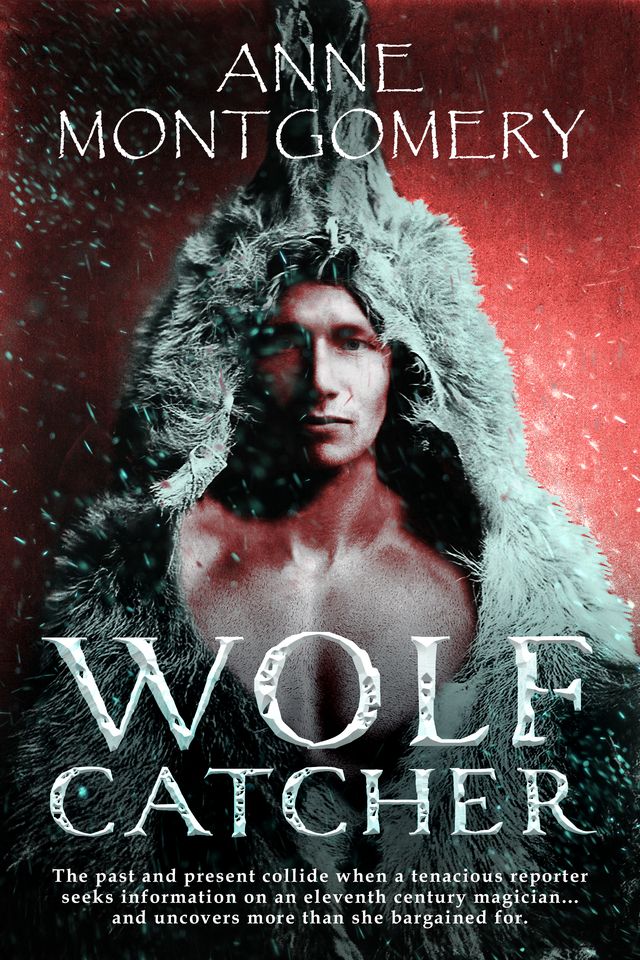
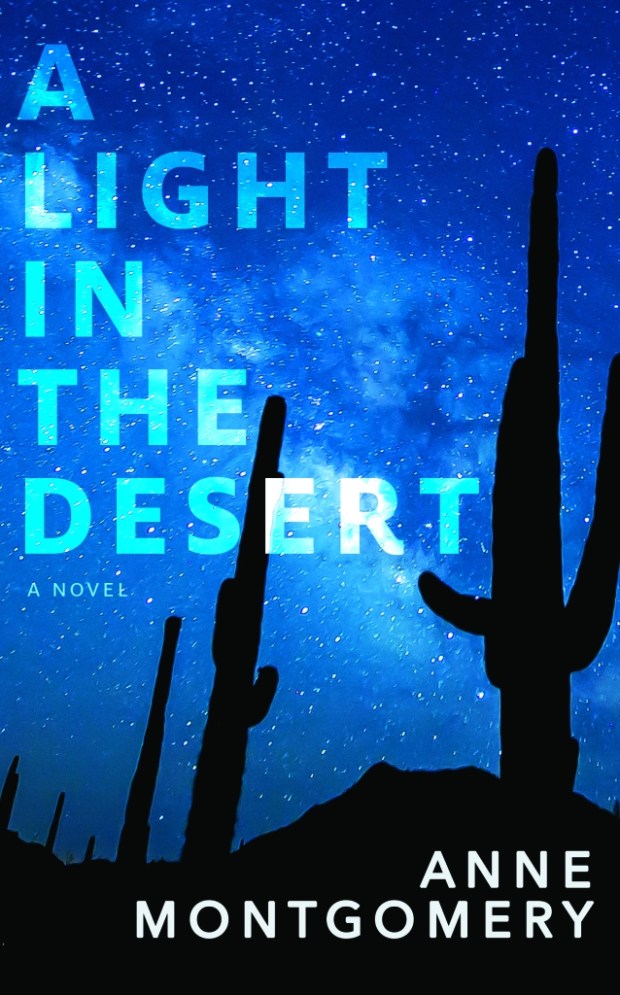
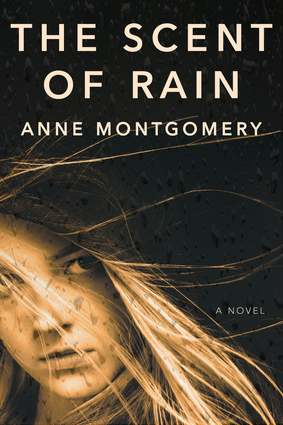
Whatever the catalyst, young people and their ability to adapt and thrive in severe situations have become integral to the stories I write. My first novel, A Light in the Desert, recounts in part the life of a lonely pregnant teenager, one with a facial deformity that has made her the subject of ridicule. And yet Kelly shows grace and grit when faced with challenges and possesses an understanding of human nature that sometimes surpasses the adults around her. In The Scent of Rain a 16-year-old-girl struggles under the strictures of an abusive religious cult, while a young boy, born with mental and physical limitations, proves he has valuable skills in my historical fiction novel Wolf Catcher.

I would spend twenty years teaching, a time when a couple of thousand students came through my classroom doors. And, by a quirky twist, that classroom made me a parent. The 15-year-old boy who was hungry came to live with me. Today, he and three other young people, though they are now grown, still look at me as Mom. I even have an eight-year-old grandson. So, writing about children seems natural now, and I wouldn’t have it any other way.

the-scent-of-rain-cover-200x300-copy

2018 Independent Publisher Book Awards: Bronze Medal Winner for Fiction: West-Mountain Region 

Contemporary Fiction/Young Adult Fiction

Amphorae Publishing Group

Rose Madsen dreams of becoming a science teacher and will do anything to keep from being married off to one of the men in her Fundamentalist Mormon (FLDS) community, including enduring her mother’s brutal beatings. Adan Reyes dreams of better days with his mother when he escapes the foster care system in Phoenix. When their fates become intertwined, Rose and Adan escape into the mountains, only to be hunted like animals. After they are discovered, they must decide if everyone they meet is determined to keep them locked in lives of abuse, or if some adults are worthy of their trust?

Get your copy here.

Praise for The Scent of Rain

“A deftly crafted and compelling read from cover to cover.” – Midwest Book Review

“Essential reading for both young adults and adults alike. There is literally nothing else I can say, except buy this book.” – Childishly Passionate Reviews

“A heartrending, heart-wrenching fictional narrative … Even in the midst of tribulations, The Scent of Rain celebrates the resilience and persistence of the human spirit.” – The Haunted Reading Room

“The characters in ‘The Scent of Rain’ added to an already amazing storyline.” – YABOOKSCENTRAL

“I loved ‘The Scent of Rain’.  It is very apparent that Montgomery did extensive amounts of research … I absolutely think everyone should read it.” – The Book Return

“Whew. What a whirlwind. The story had been building and building and it all came to a tumbling end.”- Hasty Book List

Wolf Catcher: A Magician’s Legacy Unearthed

In 1939, a tomb is uncovered in Northern Arizona—its occupant lavishly adorned, its contents baffling, and its implications far-reaching. Buried nearly 900 years earlier, the man dubbed The Magician possessed features unlike those of the Indigenous people who interred him. The Hopi workers who helped excavate the grave recognized the signs. This was no ordinary man.

Decades later, investigative reporter Kate Butler stumbles upon evidence that could rewrite history. Her search for the truth leads her into the world of black-market antiquities, where stolen artifacts—and secrets—carry a deadly price. As Kate follows the clues back to the 11th century, she uncovers the parallel story of Kaya, a healer in a high desert village recovering from volcanic devastation. When a mysterious blue-eyed stranger arrives with a massive white wolf, Kaya must decide whether he is a blessing or a warning.

Blending mystery, archaeology, and historical fiction, Wolf Catcher explores how far we’ll go for truth—and how little time changes the human heart.

Discover the mystery. Uncover the past. Read Wolf Catcher today.

Excerpt

1098 A.D.

The azure sky revealed no signs of the violence that had changed the world. Only a pine-scented breeze pressed through a gnarled stand of junipers that stretched along the wash. He closed his eyes and remembered the ragged band of refugees, the lingering sulfur smell of them, and the story they told. The ground, they said, had heaved and broken open, a fissure splitting the earth in a roar of steam and brilliant flames that shot straight into the high desert night sky. The horizon burned with a rainbow of fire—not just orange and yellow, but greens and blues—the heavens saturated with blazing pillars. Red clouds rose up, then settled upon the earth, building the mountain. Thick clods of burning stone burst forth, raining on the terrified people who had tried to save the sacred corn. Tongues of flame battled with lightning strikes that zigzagged across the sky, and streams of orange liquid ran in burning rivers, devouring everything they touched. Had the villagers not moved a good distance away earlier, they would certainly have been consumed by the creature living beneath the earth, angry perhaps that the People had been behaving badly.

A brightly colored blue jay squawked and alighted onto a twisted branch above him. The bird jerked its head, glaring with an obsidian eye. The man smiled at the creature, then turned his thoughts back to the volcano where his father had instructed him to go—the place he was to make the offering. He glanced at the western sky. The journey from his village had been a difficult and lonely trek.

An animal’s howl reverberated off the stone slab on which he sat and melted away grisly visions of his village and the people he had left behind.

He howled back, the sound indistinguishable from that of the animal. Moments later, a huge snow-colored kwewu bounded up the boulders to his side. The beast raised her snout and sniffed the air.

The man pointed to the northwest where he hoped to find the Volcano God’s home. “We will go that way, early in the morning.” He scratched the animal between the ears.

A short time later, he spread his bedroll in a shallow cave fronted by a dry wash and a small, twisted pinyon. He placed the bundle of carved sticks to his left and the shiny stone blade to his right. Clutching the leather bundle he wore on a thong around his neck, he silently renewed his promise to complete his quest and then prayed to the dead for their help.

When he finished, he stretched out in the soft sand, closed his eyes, and reached one last time for the blade. The kwewu turned in three circles before dropping down at his side.

Wolf Catcher

Anne Montgomery

Historical Fiction

Next Chapter Publishing

Released August 4, 2025

The past and present collide when a tenacious reporter seeks information on an eleventh century magician…and uncovers more than she bargained for.

In 1939, archaeologists uncovered a 900-year-old tomb at the Northern Arizona site called Ridge Ruin. The man, bedecked in fine turquoise jewelry and intricate bead work, was surrounded by hundreds of extraordinary funerary objects, including wooden swords with handles carved into animal hooves and human hands. The Hopi workers stepped back from the grave, knowing what the Moochiwimi sticks meant. This man was a magician.

Sixty-five years later, investigative reporter Kate Butler discovers evidence that The Magician looked notably different from those who buried him. Her quest to discover The Magician’s origin carries her back to a time when the high desert world was shattered by the birth of a volcano and into the present-day dangers of archaeological looting where black market sales of antiquities can lead to murder.

Universal Book Link

Amazon

Apple Books

Barnes and Noble

Google Books

Rakuten Kobo

Bookstores, libraries, and other booksellers can order copies directly from the Ingram Catalog.

Praise for Wolf Catcher

“Blending archaeology and Native American mythology, “Wolf Catcher” by novelist Anne Montgomery is an original, exceptionally well written, and compelling work of historical fiction…” – Midwest Book Review

“The author’s ability to interweave the past and the present was masterful. The characters were complex and interesting, especially with the underlying theme of rethinking the history of worldly human migration … A real page turner and I am wondering when the movie is going to be made!” – Alicia Williams Goodreads

“The story is very well-paced, reaching a page-turning, action-packed climax to the end. This story has all the elements of a great suspense drama centered around a historical mystery.” – Heidi Slowinski Author

“I was deeply and thoroughly embroiled in this imaginative novel… (that) melds seamlessly much of fact with fiction. Totally recommended! “ – V. Williams Vine Voice

“What a journey! What a story! A truly epic tale that grabs you by a throat and moves your soul. Highly recommend for the readers of all age groups.” – Marina Sardarova Author

“Boy, didn’t this one grip me quickly and keep me glued to the pages! Loved the cliff-hanging chapter endings. Well researched, well-plotted and paced…Trust me, you’ll love it. Totally recommended and out now!” – Rosepoint Publishing

“Once again the author has created a beautiful story with a powerful message. She took a piece of history and brought it to life. I just can’t say enough good things about Wolf Catcher.” – Megan Salcido Wildwood Reads
Long-form storytelling may be on the way out

Young people are turning away from books and movies at an alarming rate.

As a former film reviewer for a small newspaper—one of the best gigs ever—a recent post caught my eye. It seems that many young film students are having trouble…sitting through a movie. Professors reported that when students were asked to watch a film with their phones turned off roughly 50% were unlikely to comply. And when assigned to view a movie on their own less than 50% started watching the film and only about 20% completed the task.

The reasons are what you might expect. Young people focusing on the fast pace of Tik-Tok, Instagram Reels, and non-stop action in video games have apparently lost the ability to pay attention to long-format entertainment.

As a lover of film, I’m saddened. As an author of novels, I see where my vocation is headed. If young people can’t bring themselves to watch a 90-minute film, what are the chances of them reading an average-length novel which runs about 325 pages?

A quick search revealed my concerns were not unfounded. Studies show that many young people skim reading material, hurriedly moving through the verbiage as if the words themselves are somehow toxic. They find no joy in immersing themselves in lush or terrifying settings, different time periods, or the process of discovery: Where is the plot going? What is the protagonist’s motive? How will the characters survive?

Readers who have found themselves unable to put down a book, absorbed in the pages of a novel, eager to get to the climax of the plot, know the joy of a good story. Now, I’m wondering if this simple delight might be one we’ll have to explain to the generations to come, young people who will squint at us without understanding.

A 2024 study showed that just 14% of 13-year-olds read for pleasure every day. That’s down 10% from a decade ago. And in 2022, just 11% of high school seniors read at least six books for fun the previous year. So, it’s easy to see that if these trends continue those of us who ply our trade spinning stories are in for a difficult time.

I suppose it’s good news that young people are still reading, though their tastes have turned to graphic novels and native-digital content, which is defined as “material created specifically for digital platforms and consumed by audiences who have grown up in the age of technology. It is designed to be interactive, shareable, and often blends seamlessly with organic social media or web content. Such content is typically consumed rapidly, prioritizing visuals over text.”

So the problem remains. Long-form story telling is losing its appeal, whether it’s film or the written word. To my fellow authors, here’s hoping at some point the pendulum swings back and we might someday find young people happily nestled in the corner of a couch entranced by a story once more. 

THE CASTLE

ANNE MONTGOMERY

Suspense/Thriller

NEXT CHAPTER PUBLISHING

Ancient ruins. Haunted memories. A ruthless predator. Can Maggie survive the ghosts of her past – and the monster hiding in plain sight?

When she returns to her job as a National Park Ranger at “The Castle”—a centuried-old Native American pueblo carved into an Arizona cliff—Maggie hopes the comfort of familiar ground will help her heal. Battling trauma and the grief of unimaginable loss, Maggie’s days are carefully measured, her life held together by the thinnest of threads.

But strange things are happening at the park. A mysterious child appears and vanishes without a trace. And a predator watches her every move, planning his attack.

With the help of friends, fellow survivors, and the land itself, Maggie begins to reclaim her strength. But the danger is closer than she knows, and soon Maggie will have to face a deadly threat… and her deepest fears.

Bookstores, libraries, and other booksellers can order copies directly from the Ingram Catalog.

UNIVERSAL BOOK LINK

AMAZON

APPLE BOOKS

BARNES & NOBEL

GOOGLE BOOKS

RAKUTEN KOBO

Praise for The Castle

A deftly written and riveting read from cover to cover, “The Castle” effectively showcases author Anne Montgomery’s genuine mastery of the Romantic Suspense genre.” – Midwest Book Review

“A slow burn thriller, mixed in with a touch of mystical realism…A true five-star experience!” – Sara Steven Chick Lit Central

“A beautifully considered, sumptuous novel from a skilled storyteller.” – SaraRose Auburn Writing & Reviews

“This is a novel about good rage, about channeling the injustices of the world around us and fighting to do some good with both words and deeds. Lucky for readers, it was penned by a maestra like Anne Montgomery, so that we got a tense, powerful novel in the bargain too.” – Jennifer deBie-Rosie Amber Book Reviews

Ms. Montgomery manipulates uncomfortable subjects and dark suspense into a gripping tale with hints of romance and humor carefully guiding readers on an informative journey of survival and self-discovery. Tonya Mathenia InD’tale Magazine

“Soul-stirring. A brilliant book…Truly a masterpiece.” – Anu Menon Thought is Free Book Blog

“I was gripped from start to end.” – Katherine Hayward Pérez Just Katherine Blog

“Ms. Montgomery has an almost magical talent to draw the reader into the worlds she creates through her words. Her characters are interesting, vulnerable and strong. While describing the locations in which her books are set, she weaves history with vivid images, immersing the reader in a hard-to-put-down story full of history, beauty and mystery.” – Margaret Millmore Author

Apparently, you can now be an author “without typing a single word”

These are my books, my words, that’s why I get to call myself an author.

Most authors will tell you that we get offers every day from people who say they want to help us promote our brand or get published. I’m pretty used to these emails and just delete them, but I got one recently that made me pause. Here’s the first line: “What if you could become a published author without typing a single word?”

The sender explained that I could just “relax and chat” and through “transcription magic” a manuscript would be born. Then the “team” would proofread and edit the work, provide a “beautiful cover” and post the book on “Amazon and other major book retailers in as little as 2-3 weeks.” I’m going to guess here that this is simply a scam, meant to separate unsuspecting people from their money, but let’s assume it’s legitimate.

The whole idea was addressed to “’wannabe’ authors who have the knowledge but not the time, (to make) this is a dream come true.” Just for clarification, I checked the definition of wannabe, which is a person who tries to be like someone else or to fit in with a particular group of people. Note that the word generally carries a negative connotation, so perhaps those behind the email could do a better job of chosing their words, which, ironically, would pretty much be the definition of writing.

That said, I’m afraid that solicitations like this might actually appeal to certain people, which makes me want to scream. Still, I sense that some will fall for it and then go out and proudly claim to be authors, which is offensive to those of us who have immersed ourselves in the difficult world of publishing.

I have been writing books and painstakingly worked to get them out in the world for over 30 years, and it has been a long, difficult journey. Let’s just say that despite having written six traditionally published novels—which means a publisher has paid the bills—I must still depend on a pension and Social Security to keep a roof over my head, because since the advent of Amazon, making a living as an author has become increasingly difficult. The message? Please don’t quit your day job.

Be assured that if you let a company like the one above produce your book or you feed your information into AI, that “brilliant” memoir about your family will, in all likelihood, not sell more than 100 copies. And since you would most likely have to pay to publish your book, you will lose money in the long run.

Note that there are exceptions to not writing a book yourself, like those in the non-fiction world who can and do use ghost writers. I have no problem with that. But in the world of fiction and narrative nonfiction—think memoirs—I believe it’s the author’s duty to do their own writing if they want to proudly wear that author cap.

What offends me most is the idea that one might become an author “without typing a single word”, because there’s no point in being an author if you don’t enjoy the process. While you might disagree, the definition of author is quite clear: a writer of a book, article, or report. So if you’re not a writer you’re not an author. And I would greatly appreciate it if you would refrain from calling yourself one if you can’t do the work.

THE CASTLE

ANNE MONTGOMERY

Suspense/Thriller

NEXT CHAPTER PUBLISHING

Ancient ruins. Haunted memories. A ruthless predator. Can Maggie survive the ghosts of her past – and the monster hiding in plain sight?

When she returns to her job as a National Park Ranger at “The Castle”—a centuried-old Native American pueblo carved into an Arizona cliff—Maggie hopes the comfort of familiar ground will help her heal. Battling trauma and the grief of unimaginable loss, Maggie’s days are carefully measured, her life held together by the thinnest of threads.

But strange things are happening at the park. A mysterious child appears and vanishes without a trace. And a predator watches her every move, planning his attack.

With the help of friends, fellow survivors, and the land itself, Maggie begins to reclaim her strength. But the danger is closer than she knows, and soon Maggie will have to face a deadly threat… and her deepest fears.

Bookstores, libraries, and other booksellers can order copies directly from the Ingram Catalog.

UNIVERSAL BOOK LINK

AMAZON

APPLE BOOKS

BARNES & NOBEL

GOOGLE BOOKS

RAKUTEN KOBO

Praise for The Castle

A deftly written and riveting read from cover to cover, “The Castle” effectively showcases author Anne Montgomery’s genuine mastery of the Romantic Suspense genre.” – Midwest Book Review

“A slow burn thriller, mixed in with a touch of mystical realism…A true five-star experience!” – Sara Steven Chick Lit Central

“A beautifully considered, sumptuous novel from a skilled storyteller.” – SaraRose Auburn Writing & Reviews

“This is a novel about good rage, about channeling the injustices of the world around us and fighting to do some good with both words and deeds. Lucky for readers, it was penned by a maestra like Anne Montgomery, so that we got a tense, powerful novel in the bargain too.” – Jennifer deBie-Rosie Amber Book Reviews

Ms. Montgomery manipulates uncomfortable subjects and dark suspense into a gripping tale with hints of romance and humor carefully guiding readers on an informative journey of survival and self-discovery. Tonya Mathenia InD’tale Magazine

“Soul-stirring. A brilliant book…Truly a masterpiece.” – Anu Menon Thought is Free Book Blog

“I was gripped from start to end.” – Katherine Hayward Pérez Just Katherine Blog

“Ms. Montgomery has an almost magical talent to draw the reader into the worlds she creates through her words. Her characters are interesting, vulnerable and strong. While describing the locations in which her books are set, she weaves history with vivid images, immersing the reader in a hard-to-put-down story full of history, beauty and mystery.” – Margaret Millmore Author

Authors! Here are some things you should never do

Writing can be glorious. However, the business aspect of being an author, not so much. Here are some things to think about.

I’ve been writing books for over 30 years. Today, I have six traditionally published novels, which means a publisher paid the bills for editing, proofreading, internal design, cover art, and, on occasion, advertising

However, authors must participate in marketing and promotional campaigns, including creating websites, attending book signings, eliciting reviews, writing blogs, appearing on podcasts, and coordinating media appearances, on top of having a robust social-media footprint. The manuscript writing required of an author pales in comparison to the public relations aspect of the job.

That said, I’d like to address some traps some of my peers stumble into. First, let’s look at those moments when authors scream “Best Seller!”, in an effort to get their book to pop on posts or when courting reviewers.

It used to be that a best seller was a book that racked up a lot of sales during a specific time frame and appeared on one or more of several well-known lists published by the New York Times, U.S.A. Today, or Publishers Weekly, for example. Of course, today there are many more outlets that issue such lists, like Amazon which defines a best seller as a book that appears in the top 100 in a specific genre category. If one’s book is so honored, the author can certainly lay claim to that accomplishment. However, all too often, the source of the “best seller” accolade remains a mystery. Is it a New York Times best seller? Is it a bestseller in your home town of 600 people? Is it a best seller because it sold more copies than any other book you wrote? Or is it a best seller because the author felt the need to gin up attention?

I mention this because I am a big believer in truth in advertising. If you can’t say exactly where your book was a best seller and why, it’s simply disingenuous to use the phrase in marketing.

Then there are reviews. I’ve seen posts that boast glorious verbiage: “Fantastic!” “I loved it!” 5 Stars! “A real page turner!” Then the source is revealed as “Amazon Reviewer.” I’m not saying the reviews aren’t real, but without a name, website, or media outlet, the reviewer could be the author’s mom or no one at all.

And speaking of reviews, it is never okay to ask friends and family members to review your book. I mean, geez, they love you, yes? Understandably, they would never admit your book is really bad, so any reviews from them would be disingenuous at best. Also, don’t say to a fellow author, “I’ll review your book, if you review mine.” That reeks of quid pro quo and is just plain awkward. And never be tempted to purchase fake reviews. Remember, Amazon and other media outlets have their own fake-review police, and you never want to find yourself squaring off with them. Yes, finding strangers who will take the time to read and review your book is a difficult and sometimes disappointing task, however there is no way around it.

I realize a lot of people have an idealistic and rather romanticized version of what being an author means. I’m just saying writing is like any other business where there are responsibilities and rules that need to be respected.

Wolf Catcher

Anne Montgomery

Historical Fiction

In 1939, archeologists uncovered a tomb at the Northern Arizona site called Ridge Ruin. The man, bedecked in fine turquoise jewelry and intricate bead work, was surrounded by wooden swords with handles carved into animal hooves and human hands. The Hopi workers stepped back from the grave, knowing what the Moochiwimi sticks meant. This man, buried nine hundred years earlier, was a magician.

Former television journalist Kate Butler hangs on to her investigative reporting career by writing freelance magazine articles. Her research on The Magician shows he bore some European facial characteristics and physical qualities that made him different from the people who buried him. Her quest to discover The Magician’s origin carries her back to a time when the high desert world was shattered by the birth of a volcano and into the present-day dangers of archeological looting where black market sales of antiquities can lead to murder.

Universal Book Link

Amazon

Apple Books

Barnes and Noble

Google Books

Rakuten Kobo

Bookstores, libraries, and other booksellers can order copies directly from the Ingram Catalog.

Anne Montgomery’s novels can be found wherever books are sold.

Goodreads

Amazon

A lesson learned: The dead and their funerary objects need to be respected

When I was asked by Arizona Highways Magazine to write an article about the man they call The Magician, I didn’t understand that I might be trampling on Native American religious beliefs. (Illustration by Brad Holland)

I’m not a religious person, so I have, in the past, missed signs that had spiritual implications. For example, when I was researching my novel Wolf Catcher—which was just rereleased by Next Chapter Publishing—I didn’t understand how offensive some of my requests were.

I was hired to write a magazine article about the man they call The Magician. His fabulous, nine-hundred-year-old tomb had been uncovered by archaeologists in 1939, beneath a pueblo on a lonely hillside about ten miles from Flagstaff, Arizona. Back in those days, exhuming indigenous burial grounds was an acceptable practice, which now seems absurd. Logically speaking, there’s not much difference between rifling through the belongings of ancient mummies and digging up one’s modern-day grandmother. Imagine collecting jewelry from grandma’s body and selling her precious possessions on eBay.  

As a kid, I sometimes visited the Museum of Natural History in New York, where burial offerings from around the world were often on exhibit. However, while trying to determine who The Magician might have been, I discovered just how offensive it is to put human remains and funerary objects on display. My first hint was a letter my editor at the magazine received when I ignorantly requested a DNA test on The Magician. My reasoning seemed sound. The Magician was described by those who found him as being physically different from the people who buried him in several ways. He was particularly tall for his time and did not resemble the Native Americans who populated the region. He was said to have some Caucasian facial features, so my first thought was how did a man who may have had some European ancestry make it to what would become the American Southwest almost one-thousand years ago.

My request for scientific analysis was met with a hard no from the Hopi tribal authorities. The Native American Graves Protection and Repatriation Act of 1990 stipulates that all remains and funerary objects must be treated with respect and dignity and that the destruction of any portion of a body—even something as seemingly insignificant as a tooth for a DNA sample—is unacceptable and illegal.

At that point, I was so focused on getting my story done, I didn’t understand why my request for scientific testing was such a big deal. Then, when I arrived to interview an archaeologist I’d worked with previously, I was shocked when he didn’t appear. It would be another archaeologist who would gently explain the problem. These scientists are bound by their relationships with Native American tribes. If they want to dig on tribal or even public land, they must get permission. If they don’t follow the rules, they will be shut out, which would hurt their reputations and limit their ability to work. My investigation posed a threat to the man’s career, a risk he wasn’t willing to take.

While researching the story, I picked up a number of pottery shards. My logic was simple. I was on public land, so clearly I had committed no crime. But again, I was wrong. Those beautiful pieces of ancient fired clay, many so bright and vibrant they looked as if they’d been painted yesterday, should never have been taken from their resting places, because once you’ve removed an artifact from its setting, you’ve destroyed its sense of time and place—it’s historical significance—something you can never get back.

After finishing Wolf Catcher, I found myself staring at those thousand-year-old bits of pottery and couldn’t pretend I hadn’t done something wrong. I spoke about my feelings with a friend who was a nondenominational pastor. She quickly responded that I should put the pieces back where I found them.

She and I traveled to Ridge Ruin where I gently returned the shards to the hillside. We stood on the rocky ground under which the pueblo that housed The Magician’s body lay hidden, having long ago been backfilled to protect it from looters. I stared at the spot where the man had been buried with such reverence all those years ago. My friend asked me to apologize for my mistake, which I did.

As I said earlier, I’m not a religious person, and yet, as we left that windswept hillside that held the remains of Ridge Ruin in its belly, I felt better. And I promised myself I would not make the same mistakes again.

If you’d like to learn more about my quest to understand who The Magician might have been and what his world was like, read my novel Wolf Catcher.

Wolf Catcher

Anne Montgomery

Historical Fiction

Next Chapter Publishing

Released August 4, 2025

The past and present collide when a tenacious reporter seeks information on an eleventh century magician…and uncovers more than she bargained for.

In 1939, archaeologists uncovered a 900-year-old tomb at the Northern Arizona site called Ridge Ruin. The man, bedecked in fine turquoise jewelry and intricate bead work, was surrounded by hundreds of extraordinary funerary objects, including wooden swords with handles carved into animal hooves and human hands. The Hopi workers stepped back from the grave, knowing what the Moochiwimi sticks meant. This man was a magician.

Sixty-five years later, investigative reporter Kate Butler discovers evidence that The Magician looked notably different from those who buried him. Her quest to discover The Magician’s origin carries her back to a time when the high desert world was shattered by the birth of a volcano and into the present-day dangers of archaeological looting where black market sales of antiquities can lead to murder.

Amazon

Apple Books

Barnes and Noble

Google Books

Rakuten Kobo

Bookstores, libraries, and other booksellers can order copies directly from the Ingram Catalog.

Praise for Wolf Catcher

“Blending archaeology and Native American mythology, “Wolf Catcher” by novelist Anne Montgomery is an original, exceptionally well written, and compelling work of historical fiction…” – Midwest Book Review

“The author’s ability to interweave the past and the present was masterful. The characters were complex and interesting, especially with the underlying theme of rethinking the history of worldly human migration … A real page turner and I am wondering when the movie is going to be made!” – Alicia Williams Goodreads

“The story is very well-paced, reaching a page-turning, action-packed climax to the end. This story has all the elements of a great suspense drama centered around a historical mystery.” – Heidi Slowinski Author

“I was deeply and thoroughly embroiled in this imaginative novel… (that) melds seamlessly much of fact with fiction. Totally recommended! “ – V. Williams Vine Voice

“What a journey! What a story! A truly epic tale that grabs you by a throat and moves your soul. Highly recommend for the readers of all age groups.” – Marina Sardarova Author

“Boy, didn’t this one grip me quickly and keep me glued to the pages! Loved the cliff-hanging chapter endings. Well researched, well-plotted and paced…Trust me, you’ll love it. Totally recommended and out now!” – Rosepoint Publishing

“Once again the author has created a beautiful story with a powerful message. She took a piece of history and brought it to life. I just can’t say enough good things about Wolf Catcher.” – Megan Salcido Wildwood Reads

Anne Montgomery’s novels can be found wherever books are sold.

Goodreads

Amazon

How a sports reporter ended up writing about history

The fabulous, Palaeolithic cave paintings in Lascaux, France inspired my love of ancient history when I was a child.

This is my 500th blog! Which is shocking. I could never have imagined back in 2017 that eight years later I’d still be at it. Since I like telling stories and enjoy the process, I guess you’re stuck with me.

I know exactly when my interest in ancient history was sparked. I recall a TV program that showcased fabulous 17,000-year-old cave paintings of animals in Lascaux, France, drawings that inspired me to grab a hammer and chisel and head out into my Northern New Jersey garage. I was maybe 12, and can you blame me for wanting to see what ancient people might have left inside the walls of my home? With visions of paintings and arrow points and pottery dancing in my head, I hammered away at that wall. That is until my mother arrived, pointy-toed high heels clacking on the driveway. She gazed at me through black, cat eye glasses. It wasn’t until that moment that I sensed I might be doing something wrong. I dropped my tools and ran. The rest of the weekend I had to stand and watch my father as he repaired the damaged wall, muttering under his breath the whole time.

The Mesoamerican ballgame might have looked like a cross between basketball and ice hockey.

I have been fascinated by what happened long ago for almost 60 years. How human lives have changed in myriad ways, but are the same in many others. Still, history was far from my regular world where I spent much of my time involved with sports as both a journalist and an amateur official.

Still, it was my involvment in sports that gave me my first opportunity to write about history. I was hired by Arizona Highways Magazine to research a story on Mesoamerican ballcourts. It turns out there are over 200 ballcourts in Arizona alone, a testament to the popularity of the contest, which looked a bit like basketball with participants padded rather similarly to modern-day ice hockey players.

It was while researching that story that I accidentally discovered the man they call The Magician. I remember the day I arrived at the lonely, high-desert site about ten miles from Flagstaff. Cold raindrops fell on scattered junipers, their piney scent mixed with that of dampened earth. The ground was a rocky mixture of small chunks of red basalt and black cinder left from the eruption of the Sunset Crater Volcano almost 900-hundred years earlier. Beautiful pottery fragments with intricate black-and-white designs littered the hillside. I was interviewing an archeologist from the Museum of Northern Arizona about the ballcourts when he pointed up the slope. “That’s where they found The Magician,” he said.

It was while reseraching a story on ancient Mesoamerican ballcourts–this one at the Wupatki National Monument–that I learned about the man they call The Magician.

Later, I looked into the discovery. The fantastic grave was uncovered in 1939 and filled with over 600 exquisite funerary objects: arrow points and pots, mineral specimens and shells from the far-off Pacific Ocean. Fine turquoise jewelry, intricate beaded items, paint pigments, baskets, and mosaics. Then, there were the wooden swords with handles carved into animal hooves and human hands, objects that identified the man as a sword swallower and a magician.

My novel Wolf Catcher tells two stories. One follows Kate Butler, a former TV reporter who’s no longer pretty enough to be in front of a camera. She’s turned to print reporting, but can’t get anyone to talk about the The Magician. Still, Kate, who has given up any dreams of a personal life to concentrate on her work, is determined to finish the job. Kate’s story mirrors my own, with the exception of the time when bullets are flying.

Kaya lives at the Village on the Ridge in the late 11th century, shortly after the waking of the Volcano God, whose eruption changed the lives of the people in the high desert. Some, like those on the Ridge, were blessed, while others were left to wander the landscape homeless and hungry. Kaya is a healer who, like Kate, has given up a personal life for her vocation. She is tasked with tending an odd-looking injured man who the People call Wolf Catcher. The massive white wolf that appears with him is both fascinating and frightening. Some believe the arrival of the two is a harbinger.

Wolf Catcher tells the modern-day story of a reporter’s quest to determine whether the descendants of ancient Euroasian people somehow arrived in the New World thousands of years earlier than previously believed and discusses the problems associated with archeological looting and the black market sales of antiquities. It also delves into personal choices and relationships, proving human beings have not changed all that much over the centuries.

Wolf Catcher

Anne Montgomery

Historical Fiction

Next Chapter Publishing

Released August 4, 2025

The past and present collide when a tenacious reporter seeks information on an eleventh century magician…and uncovers more than she bargained for.

In 1939, archaeologists uncovered a 900-year-old tomb at the Northern Arizona site called Ridge Ruin. The man, bedecked in fine turquoise jewelry and intricate bead work, was surrounded by hundreds of extraordinary funerary objects, including wooden swords with handles carved into animal hooves and human hands. The Hopi workers stepped back from the grave, knowing what the Moochiwimi sticks meant. This man was a magician.

Sixty-five years later, investigative reporter Kate Butler discovers evidence that The Magician looked notably different from those who buried him. Her quest to discover The Magician’s origin carries her back to a time when the high desert world was shattered by the birth of a volcano and into the present-day dangers of archaeological looting where black market sales of antiquities can lead to murder.

Universal Book Link

Amazon

Apple Books

Barnes and Noble

Google Books

Rakuten Kobo

Praise for Wolf Catcher

“Blending archaeology and Native American mythology, “Wolf Catcher” by novelist Anne Montgomery is an original, exceptionally well written, and compelling work of historical fiction…” – Midwest Book Review

“The author’s ability to interweave the past and the present was masterful. The characters were complex and interesting, especially with the underlying theme of rethinking the history of worldly human migration. A real page turner and I am wondering when the movie is going to be made!” – Alicia Williams Goodreads

“The story is very well-paced, reaching a page-turning, action-packed climax to the end. This story has all the elements of a great suspense drama centered around a historical mystery.” – Heidi Slowinski Author

“I was deeply and thoroughly embroiled in this imaginative novel… (that) melds seamlessly much of fact with fiction. Totally recommended! “ – V. Williams Vine Voice

“What a journey! What a story! A truly epic tale that grabs you by a throat and moves your soul. Highly recommend for the readers of all age groups.” – Marina Sardarova Author

“Boy, didn’t this one grip me quickly and keep me glued to the pages! Loved the cliff-hanging chapter endings. Well researched, well-plotted and paced…Trust me, you’ll love it. Totally recommended and out now!” – Rosepoint Publishing

“Once again the author has created a beautiful story with a powerful message. She took a piece of history and brought it to life. I just can’t say enough good things about Wolf Catcher.” – Megan Salcido Wildwood Reads
Bookstores, libraries, and other booksellers can order copies directly from the Ingram Catalog.

Anne Montgomery’s novels can be found wherever books are sold.

Goodreads

Amazon

A reason to celebrate! Wolf Catcher, my most personal book, is now available

Here’s the new cover for my historical fiction novel Wolf Catcher. It’s rather edgy and cool, and a handful of you might recognize the title, because this book came out years ago. However, my life didn’t go exactly as planned back then, so few people ever read the story.

Here’s what happened.

Launch day for an author is huge. Like a wedding, or a milestone anniversary, or celebrating a 100th birthday. Authors plan for these events by locating venues, sending out invitations, courting the media, and soliciting reviews. Then we agonize over the details and hope everything goes as planned.

So imagine when a week before the scheduled launch of my suspense novel The Castle I awoke with Covid. I could barely move. I even hallucinated. The one delusion I still remember is, perhaps, understandable since I’m a writer. I was searching for the answer to a question I don’t recall and was being attacked by words and phrases, none of which gave me what I was looking for. The faster I batted those words away, the quicker they came at me. I felt like a tennis player at Wimbledon. It was like being imprisoned in a vicious writer’s video game.

But that wasn’t the worst part. I got out of bed, walked into the bathroom, and promptly passed out. When I woke up, I tried to stand, but my left leg wouldn’t work. I looked down, saw my foot twisted in the wrong direction, and slowly crawled back to bed. It would be eight months before I could walk properly again. I carry a titanium plate and eleven screws in my leg as a reminder.

So, remember that launch for The Castle? It never happened. As you can imagine, few ever read the book. And, in a sad twist, another novel, Wolf Catcher, came out during the same period and suffered the same fate. There’s a window of opportunity for promoting books, moments that slipped by. Then, the books went out of print when the publisher closed.

But now I’ve been given a another chance. I can’t thank Next Chapter Publishing enough for taking on both Wolf Catcher and The Castle. Do overs are not that common in the publishing industry, so I will be forever grateful for the opportunity.

Of all my books, Wolf Catcher—which was released August 7, 2025—is the most personal. One of the protagonists is a reporter tasked with ferreting out the identity of a man buried outside of Flagstaff, Arizona almost 900 years earlier. A man whose mummified remains looked different from the people who occupied the area at the time, one who was buried with 600 exquisite funerary objects, identifying him as a person of power and prestige.

The story of the man they call The Magician was my assignment when I worked as a journalist for Arizona Highways Magazine. That the reporter’s name in the book is Kate Butler might be a tipoff that she and I traveled the same path in search of the story. With the exception of the time when bullets are flying, just about everything that happened to Kate also happened to me.

Note that as a girl who grew up in New Jersey with little knowledge of Native Americans, the investigation was a long learning curve. I charged into my research with little understanding of the cultural traditions I might be trampling and, like Kate, changed a lot along the way.

So, if you weren’t one of the few who had a chance to read Wolf Catcher you can now.

The past and present collide when a tenacious reporter seeks information on an eleventh century magician…and uncovers more than she bargained for.

In 1939, archaeologists uncovered a 900-year-old tomb at the Northern Arizona site called Ridge Ruin. The man, bedecked in fine turquoise jewelry and intricate bead work, was surrounded by hundreds of extraordinary funerary objects, including wooden swords with handles carved into animal hooves and human hands. The Hopi workers stepped back from the grave, knowing what the Moochiwimi sticks meant. This man was a magician.

Sixty-five years later, investigative reporter Kate Butler discovers evidence that The Magician looked notably different from those who buried him. Her quest to discover The Magician’s origin carries her back to a time when the high desert world was shattered by the birth of a volcano and into the present-day dangers of archaeological looting where black market sales of antiquities can lead to murder.

Note: Ebooks are available on all sites. Paperbacks and hardcovers will be out shortly.

Universal Book Link

Amazon

Apple Books

Barnes and Noble

Google Books

Rakuten Kobo

Bookstores, libraries, and other booksellers can order copies directly from the Ingram Catalog.

Praise for Wolf Catcher

“Blending archaeology and Native American mythology, “Wolf Catcher” by novelist Anne Montgomery is an original, exceptionally well written, and compelling work of historical fiction…” – Midwest Book Review

“The author’s ability to interweave the past and the present was masterful. The characters were complex and interesting, especially with the underlying theme of rethinking the history of worldly human migration … A real page turner and I am wondering when the movie is going to be made!” – Alicia Williams Goodreads

“The story is very well-paced, reaching a page-turning, action-packed climax to the end. This story has all the elements of a great suspense drama centered around a historical mystery.” – Heidi Slowinski Author

“I was deeply and thoroughly embroiled in this imaginative novel… (that) melds seamlessly much of fact with fiction. Totally recommended! “ – V. Williams Vine Voice

“What a journey! What a story! A truly epic tale that grabs you by a throat and moves your soul. Highly recommend for the readers of all age groups.” – Marina Sardarova Author

“Boy, didn’t this one grip me quickly and keep me glued to the pages! Loved the cliff-hanging chapter endings. Well researched, well-plotted and paced…Trust me, you’ll love it. Totally recommended and out now!” – Rosepoint Publishing

“Once again the author has created a beautiful story with a powerful message. She took a piece of history and brought it to life. I just can’t say enough good things about Wolf Catcher.” – Megan Salcido Wildwood Reads

Anne Montgomery’s novels can be found wherever books are sold.

Goodreads

Amazon

An author’s dilemma: So many social media sites, so little time

Authors understand that they need to be on social media if they want to sell books. At least, I hope they do. In fact, anyone with a merchandise to sell needs to be regularly taping away, telling consumers why their product is a must have.

In case you’re skeptical, note that, according to DataReportal,  there are currently 5.31 billion social media users around the world, people who log onto almost seven different social media platforms each month, where they spend over 18 hours weekly visiting various sites.

Despite what youngsters tell you—Kids apparently prefer platforms that cater exclusively to them and don’t like scrolling through postings by old folks.— Facebook is still king in the social media world with over three billion users visiting monthly. I mention this because love it or hate it authors should have a presence on the site.  

But where should authors go from there? Depending on who you ask, Facebook, Instagram, LinkedIn, and TikTok are where they should be. But here’s the thing, when you throw in the effort required to run a website, write regular blogs, participate in podcasts, appear at speaking engagements and book events, as well as posting on myriad social media sites, authors can get overwhelmed. (And I didn’t even mention that they should also find time to write.)

The solution? Think carefully about where you’d like to spread the word about your books. Note which social media sites appeal to you. For example, I struggled with Instagram. The picture/video-dominant platform often confounded me. When TikTok somehow took over my Instagram account and I was unable to retrieve it, I just let it go. Similarly, I’m not a fan of X, still I do share my weekly blogs there.

If you’re looking for a time-saver, I recommend checking the pages where you share your work. Consider that Facebook has dozens of sites for authors, many with thousands of followers. But here’s the problem. There is often virtually no interaction on some of these sites. You can post your blog or ad, and pretty much never get a single like. I have spent time on these sites, but finally, in an effort to streamline, I let them go.

Authors must determine which sites they’re comfortable with, then put their best work into those platforms and build a clientele. If you don’t see results from one site, try another until you’re making progress. Just don’t spread yourself too thin. The hope is that authors will eventually settle in and learn to enjoy the social-media marketing aspect of their job.

Your Forgotten Sons

Inspired by a true story

Anne Montgomery

Bud Richardville is inducted into the Army as the United States prepares for the invasion of Europe in 1943. A chance comment has Bud assigned to a Graves Registration Company, where his unit is tasked with locating, identifying, and burying the dead. Bud ships out, leaving behind his new wife, Lorraine, a mysterious woman who has stolen his heart but whose secretive nature and shadowy past leave many unanswered questions. When Bud and his men hit the beach at Normandy, they are immediately thrust into the horrors of what working in a graves unit entails. Bud is beaten down by the gruesome demands of his job and losses in his personal life, but then he meets Eva, an optimistic soul who despite the war can see a positive future. Will Eva’s love be enough to save him?

Universal Buy Link

Amazon

Apple Books

Barnes & Nobel

Google Books

Kobo

Bookstores, libraries, and other booksellers can order copies directly from the Ingram Catalog.

Anne Montgomery’s novels can be found wherever books are sold.

Goodreads

Amazon

Authors need to polish their interviewing skills if they want authentic characters

Authors need lots of skills. And while writing is clearly at the top of the list, interviewing chops might be a close second, especially when one is writing fiction.

While many of us are quite comfortable writing about careers with which we are familiar, good novels are often filled with people who do a variety of different things. So, in order to create believable and interesting characters, we need to talk with real people who live in those realms. Hence the need for interviewing skills.

Before heading out to talk with people, authors should sketch an outline of a character. Perhaps you’re writing about a thirty-something police officer, a woman who’s been working in a small town for five years. She will need a backstory. Is she from the town or did she relocate? What kept her from leaving or what induced her to take a job there? Describe her physical characteristics. What are her quirks or flaws? On the latter, never make a character seem perfect. No one is and stories about unflawed characters are often boring and unrealistic.

Once you have an idea of who your character is, see if you can find a real person to talk to, in this case a woman who’s a small town police officer. The Internet makes this easy. But also think of family, friends, and acquaintances who might be able to help. Now pick up the phone or send an email. I may be old fashioned but I don’t think a text is appropriate at this point, because you will need to explain who you are and why you’d like to do an interview, and an email looks more professional.

I know what you’re thinking. Why would a complete stranger want to talk with me? But fear not! In my experience—I was a reporter for about 15 years, so I did this a lot.—people love to talk about themselves. Simply explain you’re doing research for a book and would love to speak with them. And, on the off chance they say no, do not be deterred. Just find someone else.

If you can, meet with your interviewee in person on their turf. You will get a better picture of who they are. Make sure you have a list of questions prepared, especially in regard to the day-to-day requirements of their job. Note this is especially important if you’re writing about someone, for example, in law enforcement, medicine, or the military. You don’t want to have your characters saying or doing things that real cops, doctors, or soldiers wouldn’t do.

In regard to your questions, there is no reason to religiously stick to them. I often recall the student I sent to interview a new teacher. The prepared questions were not very interesting: What brought the teacher to our school. Where did he come from? Why did he want to teach math? Then the teacher casually mentioned that he’d been an acrobat in the circus and toured the world for 20 years. Still, my student never followed up. I had to send the kid back to ask some more interesting questions.

The point is relax your ideas about your character. Note that I needed to write about a cattle rancher for my book Wild Horses on the Salt. I called one and he invited me to his ranch. While I was there, he mentioned he was a beekeeper and I ended up making my character a beekeeper, as well. In another case, the National Park ranger I interviewed for The Castle had served in the Coast Guard and was a plant specialist who spoke to tourists about the flora where she worked. My character shared those similarities. In another case, I interviewed a deputy sheriff who was a first responder to a deadly train wreck. When I went to his house, I was surprised to see that this “tough guy” collected fine glass objects. And you guessed it, my character also liked objects made of cut glass. So be open-minded.

I always record my interviews, but take notes, as well. I have often gotten more from my written notes than the actual recording, which I use to check for details I might have missed.

Many authors admit to being shy and the idea of interviewing someone makes them a bit nervous. But all you need to do is think of your interaction as a simple conversation with you leading the way. After the initial jitters, you’ll calm down. And, in the end, your characters will be more interesting and well-rounded.

Your Forgotten Sons

Inspired by a true story

Anne Montgomery

Bud Richardville is inducted into the Army as the United States prepares for the invasion of Europe in 1943. A chance comment has Bud assigned to a Graves Registration Company, where his unit is tasked with locating, identifying, and burying the dead. Bud ships out, leaving behind his new wife, Lorraine, a mysterious woman who has stolen his heart but whose secretive nature and shadowy past leave many unanswered questions. When Bud and his men hit the beach at Normandy, they are immediately thrust into the horrors of what working in a graves unit entails. Bud is beaten down by the gruesome demands of his job and losses in his personal life, but then he meets Eva, an optimistic soul who despite the war can see a positive future. Will Eva’s love be enough to save him?

Release Date: June 6, 2024

Universal Buy Link

Amazon

Apple Books

Barnes & Nobel

Google Books

Kobo

Bookstores, libraries, and other booksellers can order copies directly from the Ingram Catalog.

Anne Montgomery’s novels can be found wherever books are sold.

Goodreads

Amazon